
Why Ladakh Is on Every Traveler’s Radar
Best Time to Visit Ladakh
- Ladakh’s high-altitude landscape demands careful timing for any traveler. With its roads cut off by heavy snow for much of the year, only select months allow full access to this Himalayan paradise.
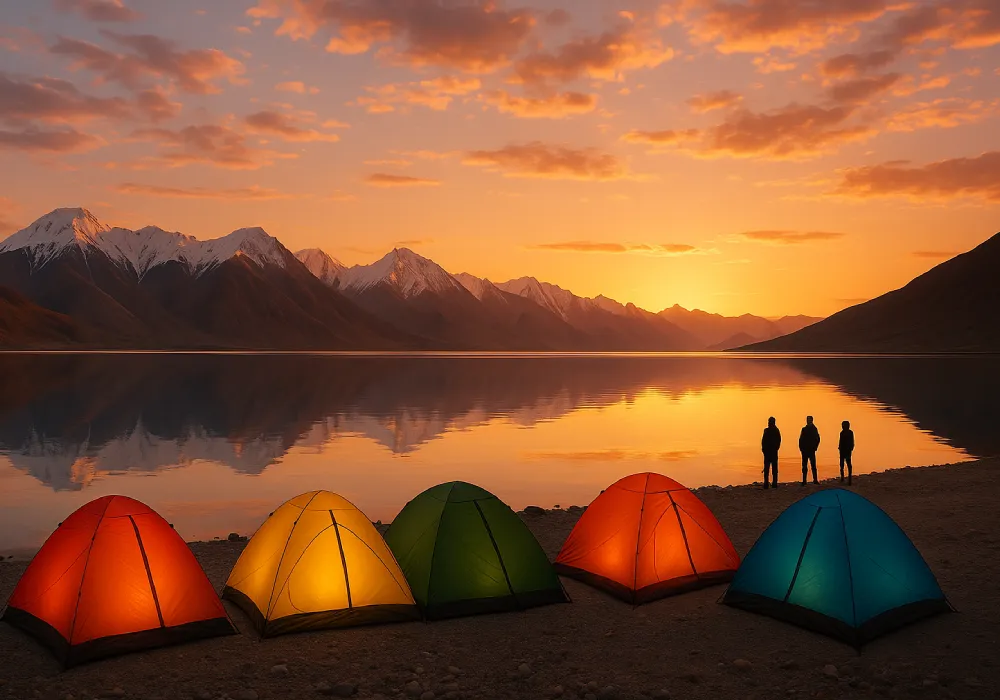
- May to September is considered the prime travel window. This period welcomes bikers, trekkers, and first-time explorers alike. All major mountain passes—including Khardung La and Chang La—are open, and the weather is relatively stable, ranging between 10°C to 25°C. It’s the best time to enjoy Pangong Lake, Nubra Valley, and attend festivals like Hemis Tsechu that bring the region alive with traditional music and dance.
- From October to April, Ladakh transforms into a dramatic winter wonderland, accessible only by air. While temperatures plunge below freezing—sometimes reaching -20°C—you’ll witness frozen lakes, snow-covered monasteries, and the stunning Chadar Trek across the Zanskar River. It’s an unmatched experience but suited only for seasoned adventurers, as many roads, homestays, and services shut down during this time.
- Pro Tip : Stick to the core summer window of June to mid-August for smooth travel, maximum connectivity, and breathtaking views. Early May and late September, though tempting, may bring weather challenges and patchy road conditions.
- Best Time to Visit Ladakh: Month-by-Month Travel Guide for Every Season Read full guide →
How to Reach Ladakh
- Ladakh may be remote, but reaching it in 2025 is more accessible than ever, thanks to improved infrastructure, new tunnels, and frequent flights. Whether you prefer road trips or quick air travel, here’s how you can plan your journey.
-
By Air – The Fastest Option
- Kushok Bakula Rimpochee Airport (Leh) is the main airport, connected to Delhi, Srinagar, Chandigarh, and Mumbai with daily flights. In 2025, newer direct flights from metros like Bengaluru and Ahmedabad have reduced travel time significantly. It’s the easiest and most reliable way to reach Ladakh, especially during winter months when roads are blocked.
-
By Road – The Scenic Adventure
-
Two legendary highways connect Ladakh to the rest of India:
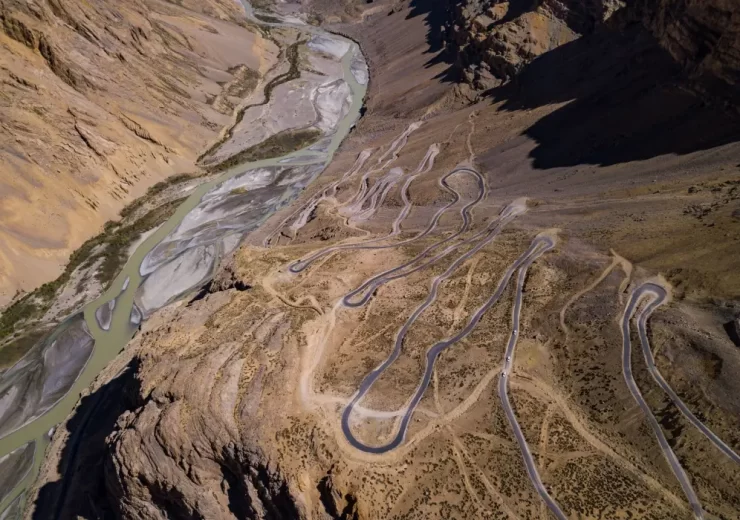
- Manali–Leh Highway (470 km): Open from mid-May to October, this route is a biker’s dream with iconic passes like Rohtang and Baralacha La. The Atal Tunnel now keeps this road accessible for longer.
- Srinagar–Leh Highway (420 km): Opens earlier, usually by late April, and offers gradual altitude gain—ideal for acclimatization.
- Both routes offer jaw-dropping landscapes, but also demand preparation for altitude and rough terrain.
-
By Train – Closest Railheads
- There’s no direct rail access to Ladakh. The nearest major stations are Jammu Tawi, Chandigarh, and Pathankot, from where one must switch to road or air transport.
- Pro Tip: If you’re driving or biking, acclimatization is key. Spend at least a day in Manali or Srinagar before heading to higher altitudes.
Essential Permits and Regulations
- Traveling to Ladakh, especially areas near the borders with China and Pakistan, requires special permits. These aren’t just formalities—they help ensure your safety and protect the fragile environment of this sensitive region.
-
Inner Line Permits (ILP) – For Indian Citizens
-
Indian travelers need an Inner Line Permit (ILP) to visit restricted areas like:
- Nubra Valley
- Pangong Lake
- Tso Moriri
- Khardung La
- Hanle and Chushul sectors
- Permits can be obtained online via the Leh District Administration Portal, or in person from the DC Office in Leh. You’ll need a valid government ID (Aadhaar, Passport, Voter ID) and must specify your itinerary.
-
Protected Area Permits (PAP) – For Foreign Nationals
- Foreign nationals require a Protected Area Permit (PAP), and must travel in groups of at least two. These can’t be obtained individually and must be routed through a registered travel agency. Areas like Nubra, Pangong, and Tso Moriri are allowed with a PAP, while some border regions remain off-limits.
-
Validity and Fees
- Permits are usually valid for 7 days, and each region to be visited must be listed clearly. Fees are nominal but may include an environment and Red Cross charge.
Popular Places to Visit in Ladakh
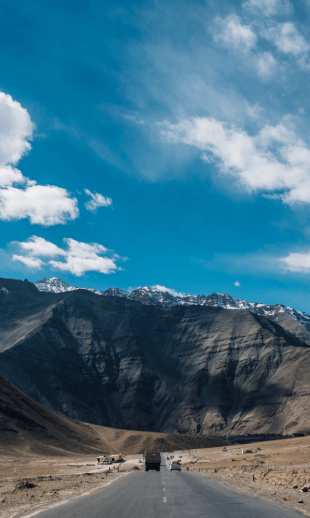
Top Places to Visit in Ladakh

- Ladakh is not just a destination—it’s a collection of surreal experiences spread across valleys, lakes, high passes, and remote villages. Whether you’re a first-timer or a returning traveler, these are the must-visit places in 2025:
-
Pangong Lake
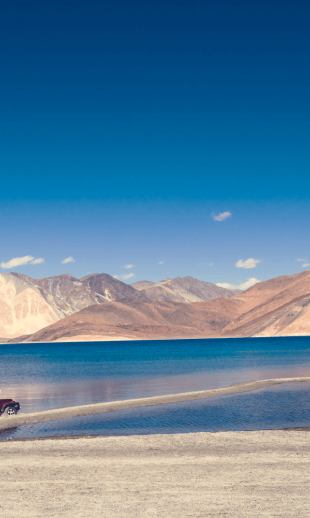
Stretching across India and China, Pangong Tso is Ladakh’s crown jewel. Its deep blue waters change colors with the sky, and camping by the lakeside is a surreal experience. With better road access and eco-resorts now available in 2025, it’s even more accessible and sustainable for travelers. -
Nubra Valley
Stretching across India and China, Pangong Tso is Ladakh’s crown jewel. Its deep blue waters change colors with the sky, and camping by the lakeside is a surreal experience. With better road access and eco-resorts now available in 2025, it’s even more accessible and sustainable for travelers. -
Khardung La Pass
At over 18,000 feet, this pass connects Leh to Nubra and is a magnet for bikers. The road has improved in recent years, with better safety rails and cafes at the top for rest. -
Tso Moriri Lake
At over 18,000 feet, this pass connects Leh to Nubra and is a magnet for bikers. The road has improved in recent years, with better safety rails and cafes at the top for rest. -
Magnetic Hill & Hall of Fame (Leh)
Close to Leh, this mysterious hill defies gravity, while the Hall of Fame pays tribute to India’s soldiers—both are must-visits during local sightseeing. -
Hemis & Thiksey Monasteries
Architectural wonders and spiritual havens, these monasteries are also cultural hubs, with festivals and ancient relics on display. - Pro Tip: Use Leh as your base, and plan at least 7–8 days to explore these destinations without rushing or risking altitude sickness.
- Trekking in Ladakh | Complete Guide to All Routes Read full guide →
Where to Stay in Ladakh
- Accommodation in Ladakh has evolved from basic guesthouses to stylish, eco-conscious stays. Whether you prefer the rustic charm of a homestay or the comfort of a luxury camp, Ladakh caters to every kind of traveler.
-
Luxury Camps & Glamping
Near Pangong Lake and Nubra Valley, you’ll find premium camps with insulated tents, private bathrooms, and heated bedding. These offer a rare combination of comfort and closeness to nature. Brands like The Grand Camp Pangong and Nubra Ethnic Camp have become favorites in 2025. -
Hotels in Leh
Leh city offers the widest range of stays—from budget lodges to boutique hotels. Areas like Fort Road, Changspa, and Old Leh have cozy cafés, markets, and walkable access to attractions. Look for hotels with oxygen support and medical assistance, especially if you’re a first-time visitor. -
Homestays & Village Retreats
For cultural immersion, try homestays in Turtuk, Lamayuru, or Hanle. You’ll experience Ladakhi hospitality, homemade meals, and insights into Buddhist traditions. These also help distribute tourism income more evenly across remote villages. -
Eco-Stays & Sustainable Properties
With a growing emphasis on responsible tourism, many properties now operate on solar energy, manage waste, and involve local communities in operations. The SECMOL Campus near Leh is a great example of sustainable living. - Pro Tip: Book accommodations in advance i
- Pre-Wedding Shoot in Ladakh — Best Locations & Tips Read full guide →
Local Cuisine in Ladakh

Must-Try Dishes
-
Thukpa: A comforting noodle soup with vegetables or meat, perfect for chilly evenings.
-
Momos: Steamed dumplings filled with spiced vegetables or minced meat, served with tangy chili sauce.
-
Skyu: A local pasta dish with dough balls cooked in a meat or veggie stew—a winter favorite.
-
Chutagi: A rich Ladakhi soup made with bowtie-shaped wheat dough and seasonal vegetables.
-
Butter Tea (Gur Gur Chai): A traditional drink made from green tea, yak butter, and salt. It may surprise you, but it’s an essential high-altitude hydrator.
Local Ingredients
Expect lots of barley, wheat, yak cheese, radish, and turnip in local meals. Many families grow their vegetables in small greenhouses to beat the harsh climate.
Where to Eat
-
In Leh, visit Gesmo Restaurant or Lamayuru Café for local + continental blends.
-
In villages, homestays often offer authentic home-cooked meals. Eating here supports the community and gives you a true taste of Ladakhi life.
Pro Tip: Skip packaged snacks and try local bakery bread or tsampa balls (barley energy bites). They’re healthier, tastier, and help you acclimatize better.
What to Pack for Ladakh
Packing smart for Ladakh isn’t just about comfort—it’s about survival in one of India’s most extreme environments. Weather, altitude, and remoteness all play a role, so every item in your bag matters.
Clothing Essentials
Layered Thermals: Mornings and nights are freezing, even in summer.
Windproof Jacket: A lightweight, waterproof shell will protect against sudden winds or rain.
Woolen Cap, Gloves & Socks: Crucial for evening cold or high-pass travel.
Comfortable Trekking Shoes: Opt for ankle support and solid grip for uneven terrain.
Sunglasses with UV Protection: Ladakh’s sun + snow glare is intense.
Health & Safety Items
Diamox (for altitude sickness) – consult your doctor before use.
Personal First Aid Kit – include essentials like antiseptic, band-aids, and altitude-related meds.
Sunscreen (SPF 50+) & Lip Balm – the dry wind and strong UV can damage skin quickly.
Reusable Water Bottle & Electrolyte Packs – hydration is key in high altitudes.
Tech & Travel Gear
Power Bank – limited electricity in remote areas.
Torch/Headlamp – for late evening walks or power cuts.
Extra ID copies & Permits – checkpoints are common in border areas.
Pro Tip: Keep a small backpack handy for day trips to monasteries, lakes, and villages. Always pack light but purposeful—there are no malls once you leave Leh.
- Ladakh is increasingly popular as a honeymoon destination. Plan every detail:
Travel Budget & Cost Breakdown
Planning a trip to Ladakh? Your budget will vary depending on travel style—bike trip, backpacking, or luxury stay—but here’s a realistic breakdown to help you make informed choices.
Average Cost for a 6-Day Trip (Per Person)
| Expense Category | Budget (₹) | Mid-Range (₹) | Luxury (₹) |
|---|---|---|---|
| Flights/Transport | 5,000–8,000 | 8,000–12,000 | 15,000+ |
| Accommodation | 800/day | 2,000–3,500/day | 6,000+/day |
| Food & Drinks | 300–500/day | 800–1,200/day | 2,000+/day |
| Permits & Entry Fees | 800–1,000 | Same | Same |
| Local Commute | 1,000–2,000 | 3,000–5,000 | Private SUV: 10,000+ |
| Misc. Shopping & Tips | 1,000 | 2,000+ | 5,000+ |
Total Estimate:
Budget Trip: ₹18,000 – ₹25,000
Mid-Range: ₹35,000 – ₹50,000
Luxury: ₹70,000+
Hidden Costs to Consider
Fuel cost (for self-drive/bikes): ₹2,000–4,000
Bike rental: ₹1,000–1,800/day
Oxygen cans: ₹400–600 each
Last-minute hotel hikes in peak season
Money-Saving Tips
Book homestays or guesthouses instead of hotels
Travel in a group to split cabs or tour packages
Avoid excessive cafe hopping in Leh—it adds up!
Pro Tip: Carry enough cash for remote areas like Turtuk or Tso Moriri—ATMs are scarce and unreliable.
Travel Tips for First-Timers in Ladakh
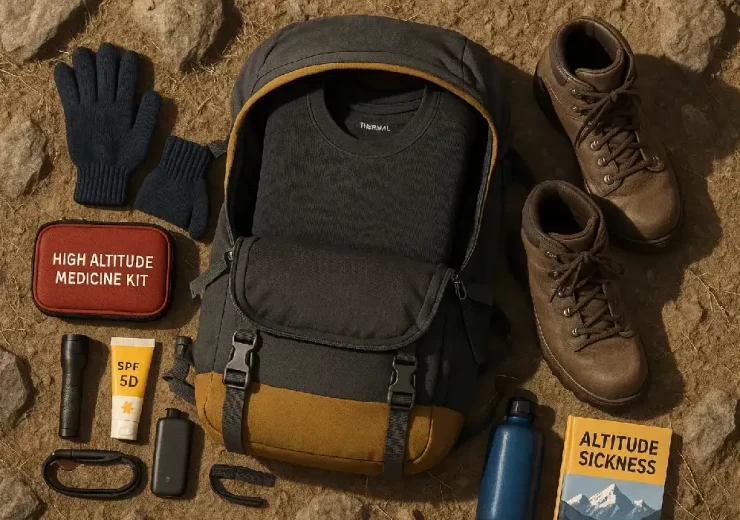
If you’re heading to Ladakh for the first time, congratulations—you’re about to experience one of the most breathtaking regions in India. But Ladakh’s beauty also comes with high altitude, harsh conditions, and limited infrastructure. Here’s how to prepare smartly:
Acclimatization is Everything
Ladakh’s average elevation is over 11,000 ft. Upon arrival—especially in Leh—rest for at least 24–36 hours. Avoid any physical exertion or travel to higher altitude areas during this time.
Whether you’re a solo traveler or with friends, our Ladakh itinerary ideas have you covered.
Hydration + Food = Survival
Drink 3–4 liters of water daily and eat light, warm meals. Avoid alcohol and caffeine for the first few days. Carry dry fruits and glucose packets for quick energy.
Carry a Personal First-Aid Kit
Must-haves:
Diamox (for altitude sickness)
Paracetamol
Motion sickness tablets
Basic bandages
Lip balm, sunscreen, moisturizer (high SPF)
Network and Connectivity
Only BSNL and Jio postpaid connections work reliably in Ladakh. Download offline maps and keep emergency contacts written down.
Respect Local Culture & Nature
Don’t photograph locals without permission
Follow monastery and gompa rules
Don’t litter or disturb wildlife
Dress modestly, especially in remote villages
Extra Tips
Always carry a refillable water bottle
Fuel up before remote journeys
Keep your power banks and torch charged
Start early in the day to avoid afternoon winds
Pro Tip: Prepare, respect, and stay flexible—Ladakh rewards the mindful traveler.
- Planning your first Ladakh trip? Don't miss our in-depth checklist:
Biking in Ladakh – The Ultimate Road Adventure
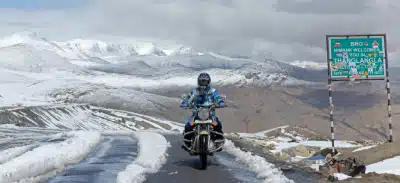
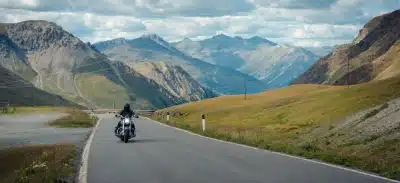
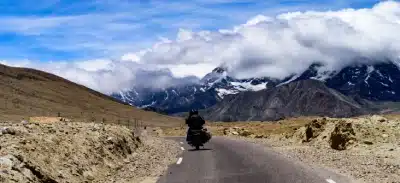
Ladakh isn’t just a destination—it’s a dream for every motorcycle enthusiast. Riding through Ladakh’s rugged terrain, winding roads, and high-altitude passes is a spiritual and adrenaline-filled journey.
The Route Matters
The most iconic biking routes include:
Manali to Leh (470 km): A scenic and challenging ride over Rohtang, Baralacha, and Tanglang La Pass.
Srinagar to Leh (420 km): Slightly easier and more suitable for beginners.
Many riders do a circuit: Delhi – Manali – Leh – Srinagar – Delhi.
Ideal Season for Biking
June to September is perfect. Roads are snow-free, passes are open, and weather is manageable. Avoid monsoon weeks in Himachal and check BRO (Border Roads Organisation) updates regularly.
Bike Checklist
Royal Enfield 350/500cc or Himalayan is ideal
Dual disc brakes & good ground clearance
Saddle bags, extra petrol cans, tool kit
Puncture repair kit, chain oil, rain gear
Full-face helmet, gloves, elbow/knee guards
Safety First
Always wear protective riding gear
Ride slow near bends, rivers, and gravel patches
Fuel up whenever possible—pumps are scarce after Tandi (Manali-Leh route)
Don’t ride after sunset; wildlife and landslides are real dangers
Must-Ride Sections
Gata Loops (21 hairpins)
More Plains (straight desert highway at 15,000 ft)
Khardung La – one of the world’s highest motorable passes
Pro Tip: If you’re not experienced, join an organized biking tour for support, permits, and backup.
- Complete 2026 biking breakdown — route maps, daily budget, and permit details:
Ladakhi Culture & Responsible Travel
Cultural Insights
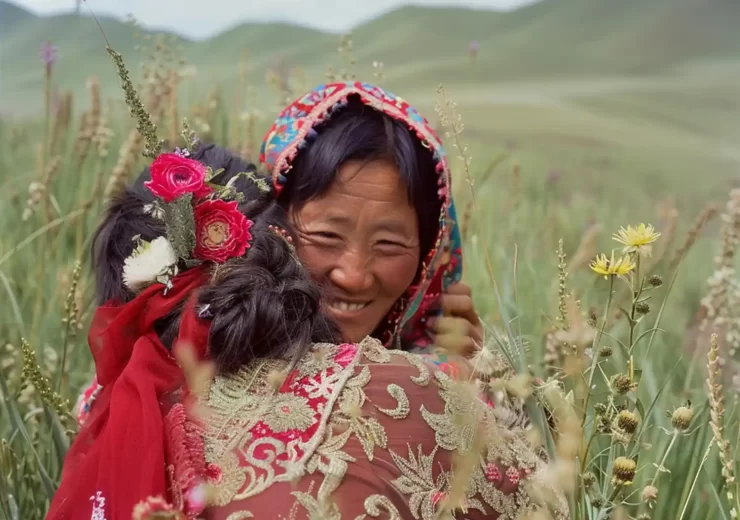
Ladakhis are warm, welcoming, and deeply spiritual. Monasteries like Hemis, Thiksey, and Diskit are not just architectural marvels but also cultural centers. Local customs revolve around agriculture, prayer, and seasonal celebrations. Festivals like Hemis Tsechu and Losar (New Year) are colorful events that attract global visitors.When visiting homes, always remove your shoes and accept butter tea or snacks with gratitude. Dress modestly and speak softly in religious places. Photography in monasteries may require permission.
Responsible Travel Practices
-
Avoid single-use plastics; bring a refillable bottle.
-
Stay in eco-lodges or homestays that support locals.
-
Dispose of waste properly—carry a small trash bag during treks.
Respect Goes Both Ways
You’re a guest in one of the world’s most fragile cultures and ecosystems. When you respect local traditions, you don’t just earn smiles—you help preserve a timeless way of life for future generations.
Is the Ladakh Trip Worth It? (You Already Know the Answer)
Tap into the adventure of a lifetime—book responsibly, stay sustainably, and experience a Himalayan wonder unlike any other.
Frequently Asked Ladakh
The prime travel window is May to September, when all major passes are open and weather is stable. The blog specifically recommends June to mid-August for smooth travel, maximum connectivity, and the best views.
Yes, Indian travelers need an Inner Line Permit (ILP) to visit restricted areas including Nubra Valley, Pangong Lake, Tso Moriri, Khardung La, and the Hanle and Chushul sectors. These can be obtained online via the Leh District Administration Portal or in person from the DC Office in Leh.
Since Ladakh’s average elevation is over 11,000 ft, visitors should rest for at least 24–36 hours upon arrival in Leh and avoid any physical exertion or travel to higher altitudes during this period. Drinking 3–4 litres of water daily, eating light warm meals, and avoiding alcohol and caffeine for the first few days is also advised. Carrying Diamox (after consulting a doctor) is recommended as well.
Based on the blog’s cost breakdown, a budget trip costs approximately ₹18,000–₹25,000 per person, a mid-range trip runs ₹35,000–₹50,000, and a luxury trip can go above ₹70,000. Additional hidden costs include fuel, bike rentals, and oxygen cans.
Only BSNL and Jio postpaid connections work reliably in Ladakh. Travelers are advised to download offline maps and keep emergency contacts written down as a backup.


Comment (0)