
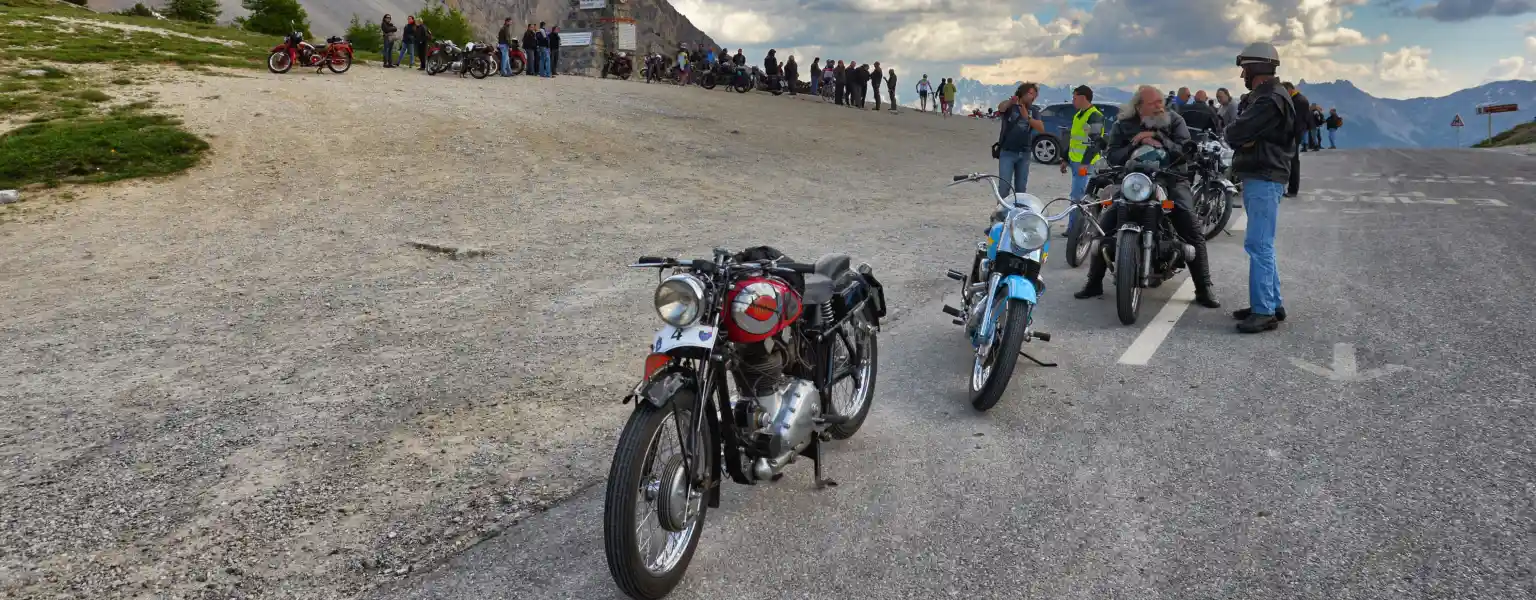
At TripHills, we have helped hundreds of riders plan and complete their Ladakh motorcycle journey. This guide is built from real experience on those roads — not just research from behind a desk.
When Should You Actually Go? Understanding the Ladakh Season
July and August are peak season — roads are fully open, the weather is at its most stable, and the energy on the highway is electric. But they are also the most crowded months. September is where experienced riders tend to go: fewer tourists, clear post-monsoon skies, and the same open roads. September is Ladakh’s best kept secret, and it genuinely deserves that title.
The Two Routes Into Ladakh and How to Plan the Ride Day by Day
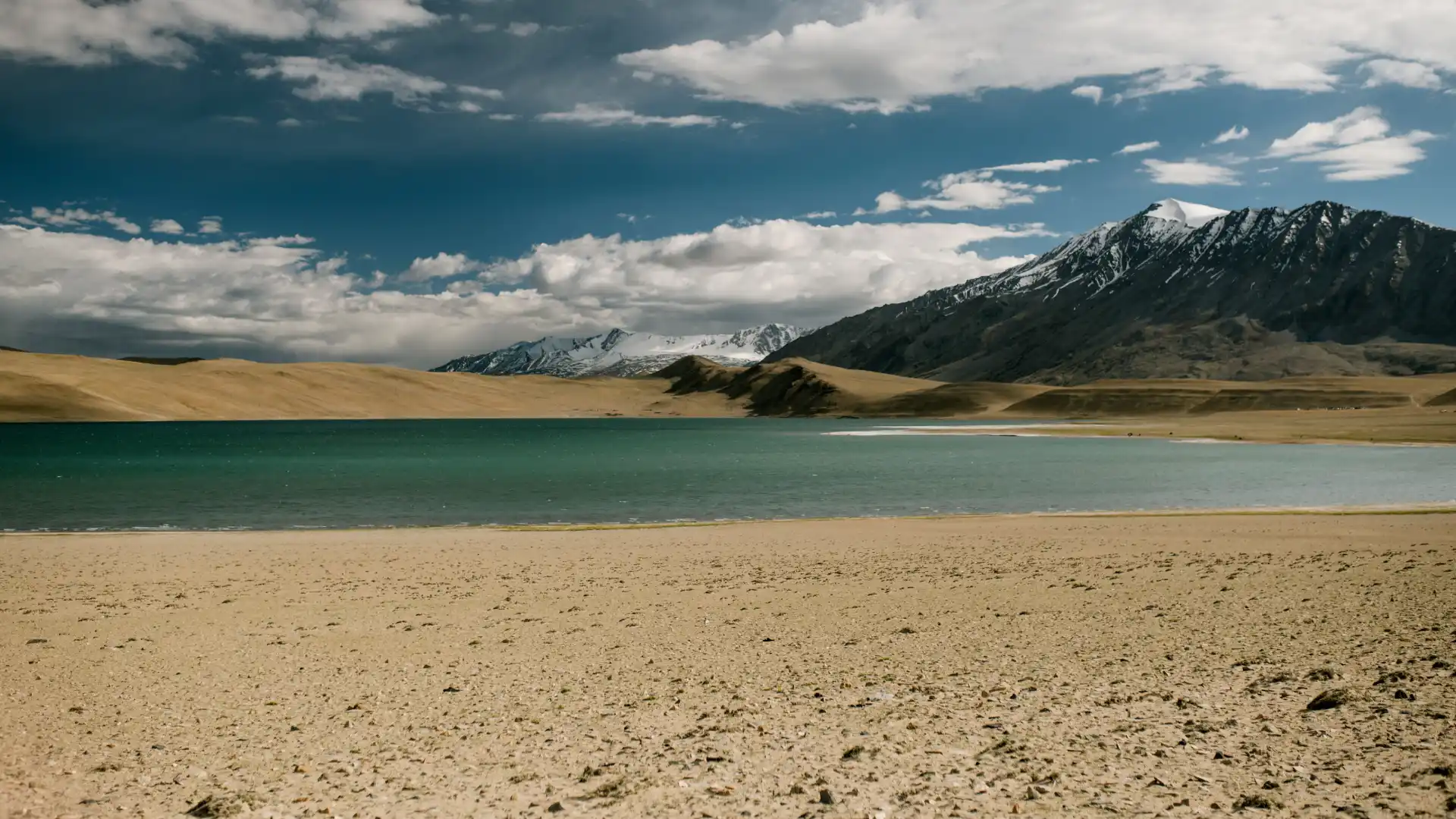
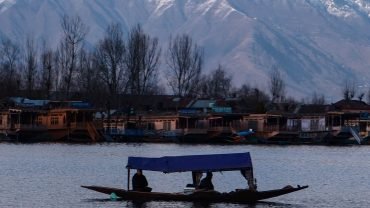
Srinagar to Leh (approx. 434 km): Generally better road surface, slightly more gradual altitude gain. It passes through the famous Zoji La Pass, the freezing town of Drass, and Kargil before arriving in Leh. The route through Lamayuru is visually extraordinary — a lunar landscape with one of the oldest monasteries in Ladakh perched dramatically above it.
Day & Route (Distance & Highlights)
- Day 1: Delhi → Chandigarh (~260 km | NH warm-up, overnight halt)
- Day 2: Chandigarh → Manali (~310 km | NH-3, Beas River Valley, Kullu)
- Day 3: Manali (Rest Day) (Acclimatise, full bike service check, permit preparation)
- Day 4: Manali → Jispa (~145 km | Rohtang Pass, Keylong, Jispa camp)
- Day 5: Jispa → Leh (~365 km | Baralacha La, Nakee La, Lachulung La, Tanglang La, Leh)
- Day 6: Leh (Rest & Explore) (Leh Palace, Shanti Stupa, Hall of Fame, local market)
- Day 7: Leh → Nubra Valley (~120 km | Khardung La (5,359 m), Diskit Monastery, Hunder)
- Day 8: Nubra Valley → Pangong Lake (~160 km | Shyok Valley, Durbuk, Pangong Tso)
- Day 9: Pangong Lake → Leh (~220 km | Chang La Pass, Hemis Monastery)
- Day 10: Leh → Kargil via Lamayuru (~220 km | Magnetic Hill, Moonland, Lamayuru Monastery)
- Day 11: Kargil → Srinagar (~204 km | Drass War Memorial, Zoji La Pass)
- Day 12: Srinagar → Departure (Fly back to Delhi or continue your road journey)
How Much Does a Ladakh Bike Trip Actually Cost? Real Numbers
| Expense Category | Estimated Range (INR) |
|---|---|
| Fuel — Full Manali–Leh–Srinagar Loop | ₹4,500 – ₹7,000 |
| Accommodation (12 nights) | ₹6,000 – ₹18,000 |
| Food & Drinks (₹500–₹900/day) | ₹6,000 – ₹11,000 |
| Inner Line Permits (all zones) | ₹500 – ₹1,500 |
| Bike Rental (if renting, 10 days) | ₹15,000 – ₹25,000 |
| Gear & Riding Supplies | ₹2,000 – ₹5,000 |
| Emergency & Miscellaneous Buffer | ₹3,000 – ₹5,000 |
| TOTAL — Own Bike, 2 Riders Sharing | ₹22,000 – ₹35,000 per person |
| TOTAL — Rented Bike, Solo Rider | ₹40,000 – ₹65,000 |
The Permit System Explained: ILP, PAP, and What Happens Without One
Areas Where Inner Line Permit (ILP) Is Mandatory
- Nubra Valley — Includes Diskit, Hunder, and the famous sand dune stretch. Entry checkpoint at Khardung La summit road.
- Pangong Tso — The iconic blue lake. The road via Chang La has a dedicated ILP check before Durbuk village.
- Tso Moriri & Tso Kar — High-altitude lakes near the Tibetan plateau. Some of the most remote riding in Ladakh.
- Dha-Hanu Village — The Aryan village cluster near the Line of Control. Requires a separate specific ILP entry.

Which Bike to Ride and What Gear You Cannot Leave Behind
| Bike | Why Riders Choose It | One Limitation |
|---|---|---|
| Royal Enfield Himalayan | Purpose-built for mountains, light, handles altitude superbly | Limited top-end power on steep climbs |
| RE Classic 350 / 500 | Easy to service anywhere, parts universally available | Heavier, less nimble on gravel roads |
| KTM 390 Adventure | Strong torque, excellent handling, very capable off-road | Parts rare in Leh, higher service cost |
| Bajaj Dominar 400 | Great fuel range, torquey, comfortable on long highway days | Heavy, less agile on tight mountain corners |
| Honda CB500X | Smooth, reliable, excellent for sustained long-distance days | Fewer local mechanics familiar with it |
The Places That Make Every Kilometre Worth It
6 Destinations No Ladakh Rider Should Miss Text Here
- Khardung La Pass (5,359 m) — The most famous high pass above Leh. Ride early morning for clear skies. The cold at the top will surprise you even in August. Worth every icy breath.
- Pangong Tso — Nothing prepares you for this lake. The water shifts from deep blue to teal to silver through the day. Book a night at the lakeside camps — waking up there is something else entirely.
- Nubra Valley — Drop from Khardung La into a valley of golden sand dunes with double-humped Bactrian camels. The contrast with everything you have ridden through is completely surreal.
- Tso Moriri — Less crowded than Pangong and equally beautiful. At 4,522 metres, surrounded by nomadic Changpa settlements, it feels like the edge of the inhabited world.
- Lamayuru Monastery — Built into a clifftop above a landscape that genuinely looks like the lunar surface. One of the oldest functioning monasteries in Ladakh. The road to it is half the reward.
- Magnetic Hill & Hall of Fame — Two stops near Leh that every rider should make. One is an optical illusion that makes parked vehicles appear to roll uphill. The other is a moving tribute to Indian Army soldiers who built and guard these roads.
Altitude Sickness and Medical Prep: The Part That Saves Trips
Altitude Sickness and Medical Prep: The Part That Saves Trips
- Diamox (Acetazolamide): Consult your doctor before travel. Take 24–48 hours before major ascent. Helps the body acclimatise faster. Not a substitute for proper rest.
- First Aid Kit: Antiseptic, bandages, adhesive plaster, ORS sachets, painkillers, betadine. Pharmacies beyond Leh city are very limited.
- Personal Medicines: Carry sufficient quantity of all prescription drugs. Do not assume you can buy them in Nubra or Pangong.
- Hydration: Drink 3–4 litres of water daily, even when not thirsty. Altitude suppresses thirst signals while increasing fluid loss.
What Nobody Tells You Before Your First Ladakh Ride
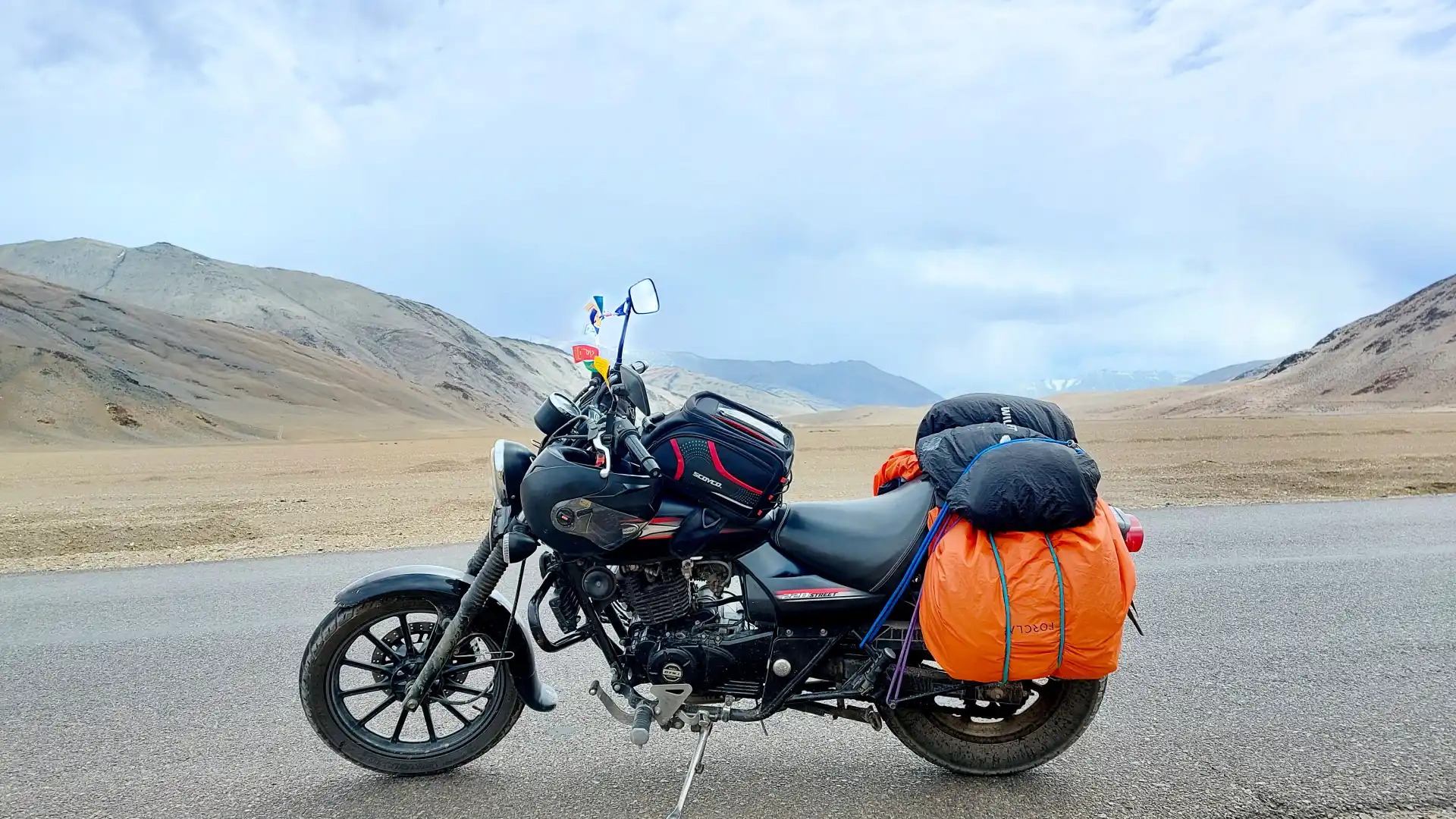
- Fuel up at every opportunity, not just when the tank is low. Petrol pumps on the Manali Leh highway are few and far between. Carry a spare 2-litre fuel container for the stretch between Keylong and Leh.
- Do not ride after sunset under any circumstances. Roads in Ladakh have no streetlights. Stream crossings, loose gravel sections, and stray animals become invisible after dark. Plan every day to reach your stop by 5 PM at the latest.
- Service your motorcycle completely before leaving Delhi or Manali. Check tyres, brakes, chain, clutch, engine oil, and coolant. Breakdown recovery in remote Ladakh can take days and cost significantly.
- Carry a printed copy of every document, not just a phone screenshot. Checkpoint officers collect physical copies. Phone batteries die.
Is the Ladakh Bike Trip Worth It? (You Already Know the Answer)
Faq
No special riding licence is required beyond a valid Indian driving licence with a two-wheeler endorsement. However, you do need an Inner Line Permit (ILP) to enter restricted areas like Nubra Valley, Pangong Tso, and Tso Moriri. This is a separate document from your driving licence and must be obtained either online via the official Ladakh Tourism portal or in person at the DC Office in Leh. Foreign nationals additionally need a Protected Area Permit (PAP). Always carry physical photocopies of both your licence and permits at every checkpoint.
The Royal Enfield Himalayan is widely considered the best all-round choice for Ladakh. It is purpose-built for mountain terrain, relatively light, and easy to service anywhere on the route. The RE Classic 350 and 500 are also excellent because spare parts are universally available even in remote towns. If you do not own a bike, rentals are easily available in Leh city. The Himalayan rents for ₹1,500–₹2,000 per day and the Classic 350 for ₹1,200–₹1,800. Always inspect the bike thoroughly before accepting — check brakes, tyres, chain, and clutch.
The single most effective step is to spend at least one full rest day in Leh before riding to any high pass. Leh sits at 3,500 metres and your body needs time to adjust before you push to 5,000+ metre passes like Khardung La or Tanglang La. Drink 3–4 litres of water daily, avoid alcohol for the first 48 hours, eat light meals, and sleep early. Consult your doctor about Diamox (Acetazolamide) — it helps the body acclimatise faster when taken 24 hours before major ascents. If you develop a persistent headache, nausea, or shortness of breath, descend immediately. No pass is worth ignoring serious altitude symptoms.
For a 12-day trip on your own bike with two riders sharing costs, budget approximately ₹22,000–₹35,000 per person. This covers fuel (₹4,500–₹7,000), accommodation (₹6,000–₹18,000), food (₹6,000–₹11,000), permits (₹500–₹1,500), gear (₹2,000–₹5,000), and a miscellaneous buffer. If you are renting a bike and travelling solo, the budget rises to ₹40,000–₹65,000. The biggest cost-saver is riding in a group and sharing room costs. Also carry at least ₹15,000 in cash before leaving Leh — ATMs and card payments are simply unavailable in Nubra, Pangong, and most remote areas.
The Manali to Leh highway is manageable for motivated beginners but it demands proper preparation. The route crosses passes above 5,000 metres, includes river crossings, loose gravel stretches, and long sections with no mobile signal or fuel stops. For first-time riders, we strongly recommend riding with an experienced companion, splitting the route over two days with an overnight halt at Jispa or Sarchu, completing a full pre-trip bike service, and packing all essential riding gear. Avoid night riding under any circumstances — the roads have zero lighting after dark. With the right preparation and a patient pace, the Manali–Leh route is absolutely achievable for beginners and one of the most rewarding rides in the country.

Comment (0)