
Ladakh does not feel like the rest of India. The moment the plane lands at Leh, something shifts. The air is thinner, the sky is a shade of blue you have probably never seen before, and the silence around you is so complete it feels like the world itself has taken a breath and held it. This is not a destination — it is an experience that rewires something inside you permanently.
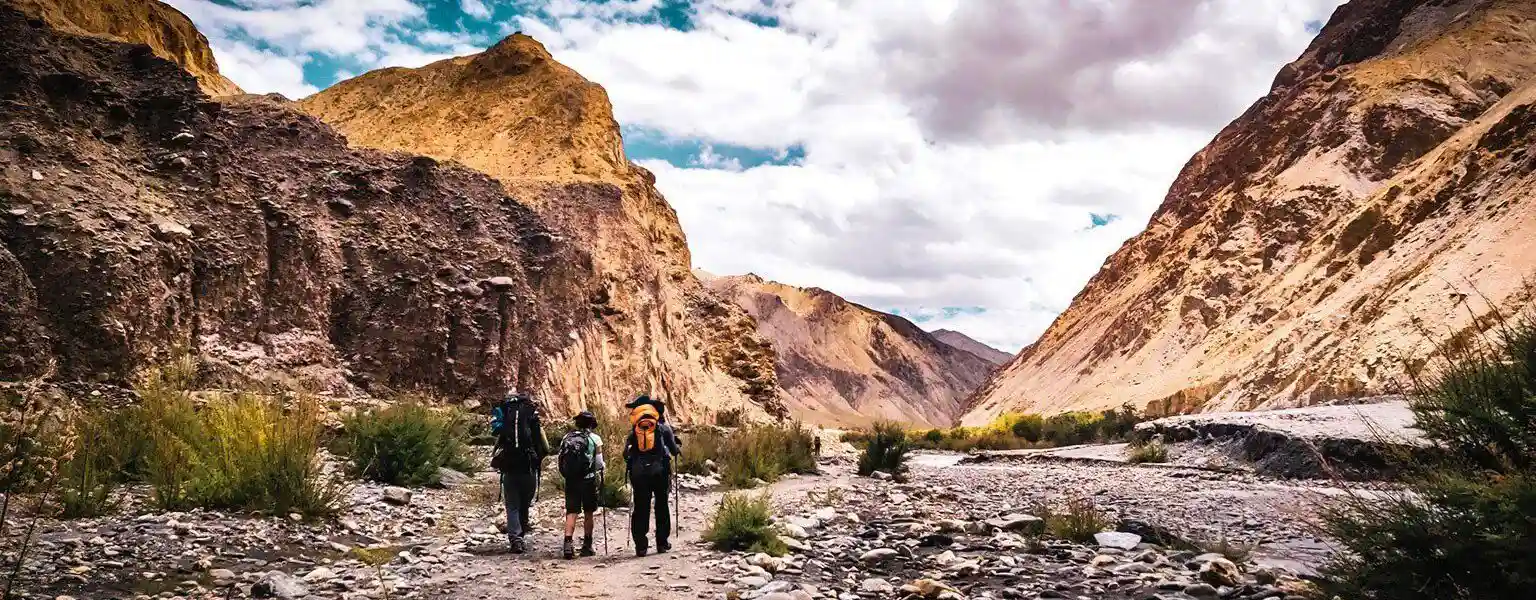
Why Ladakh Stands Apart From Every Other Trek in India
- 🏔 The honest truth: Ladakh demands preparation. The altitude is real, the terrain is unforgiving, and the remoteness means there is no rescue service around the corner. But every trekker who comes properly prepared leaves with one universal experience — they want to come back. Often before they have even unpacked at home.
Best Season to Trek — Month-by-Month Reality Check
| Month | Conditions | What's Open | Best For | Status |
|---|---|---|---|---|
| January – February |
−10°C to −25°C, heavy snow, extreme cold | Zanskar River (frozen) | Chadar Trek, Snow Leopard Trek | Limited |
| March – May | Cold mornings, snow melting on passes | Srinagar-Leh road opening | Early acclimatisation, short day hikes | Shoulder |
| June | 15–22°C days, cold nights, dry and clear | Most high passes opening | Sham Valley, lower Markha Valley | Good |
| July – August | 18–28°C days, occasional afternoon clouds | All major routes open | All treks — peak season | Peak Season |
| September | 10–20°C, crisp clear air, autumn colours | All routes, less crowded | Markha Valley, Rumtse–Tso Moriri | Excellent |
| October | 0–15°C days, first winter snowfall possible | Low-altitude routes | Sham Valley, photography trips | Good |
| November – December |
−5°C to −20°C, passes closing | Leh accessible by air only | Rest, planning next season | Closed |
All 6 Major Trekking Routes in Ladakh — Ranked by Difficulty
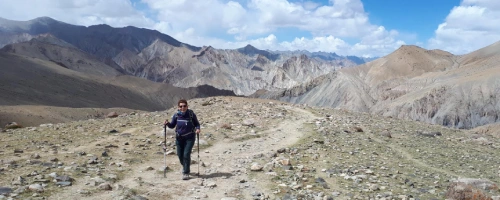
Sham Valley Trek
Easy — Ideal for BeginnersKnown as the "Baby Trek of Ladakh," this is the perfect starting point for first-time high-altitude trekkers. The route moves through the lower Indus Valley past ancient monasteries including Likir and Alchi, through apricot orchards and small villages where daily life moves at a wonderfully unhurried pace. Altitude stays manageable throughout, making it accessible for most healthy adults. Homestays in villages along the way provide warm rooms and genuine Ladakhi cooking.
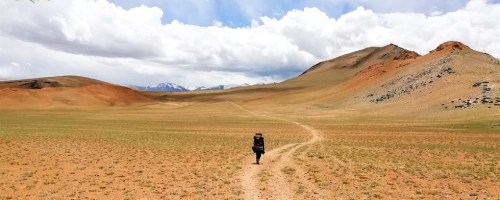
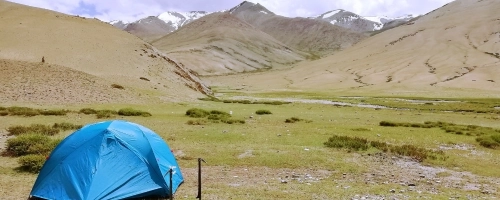
Markha Valley Trek
Moderate to ChallengingThe most popular and celebrated trek in Ladakh. The route runs through Hemis National Park, crossing two high passes — Ganda La (4,970m) and Kongmaru La (5,260m) — with the Nimaling plateau and views of Kang Yatse (6,400m) as the centrepieces. Villages along the way offer genuine cultural encounters and warm homestay evenings that make every bit of the physical effort feel entirely worth it.
Rumtse to Tso Moriri
Challenging — Wilderness TrekOne of the most rewarding and least-crowded routes in Ladakh. You cross multiple passes above 5,000m across open plateaus with almost no other trekkers in sight, before descending to Tso Moriri — a pristine high-altitude lake at 4,522m whose blue-green surface perfectly mirrors the surrounding mountains. The solitude and raw scale of this route set it apart from everything else in the region.
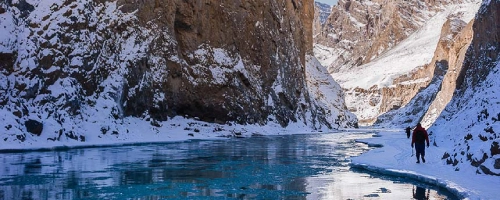
Chadar Trek — Frozen Zanskar
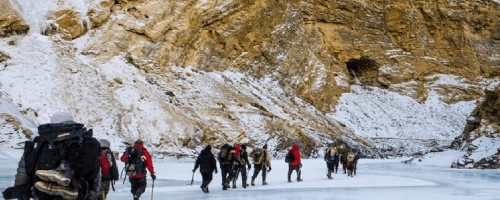
Very Challenging — Winter OnlyThere is no trek in the world quite like this. In January, the Zanskar River freezes into a thick sheet of ice — the Chadar — and becomes the only route connecting remote Zanskar villages to the outside world. You walk on this ice for days through enormous gorges, past frozen waterfalls that glow electric blue, camping in caves carved by the river itself. Temperatures reach −25°C. It is extraordinary — but only for those who are properly prepared.
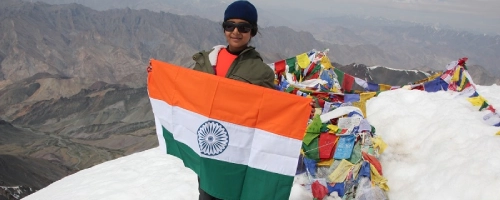
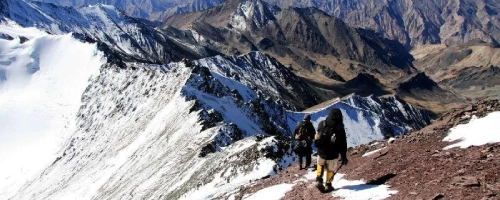
Stok Kangri — Summit 6,153m
Advanced — Mountaineering RequiredFor trekkers seeking a genuine Himalayan summit, Stok Kangri at 6,153m is one of the most accessible 6,000m peaks in India. The summit delivers a 360-degree panorama of the Zanskar and Karakoram ranges. This requires crampons, an ice axe, rope, and prior mountaineering experience. Always check current local regulations before planning as access restrictions have been in place periodically.
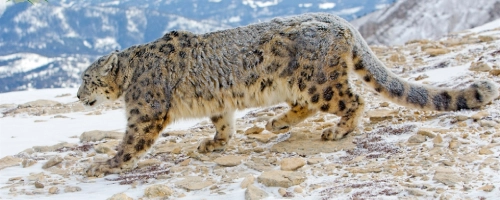
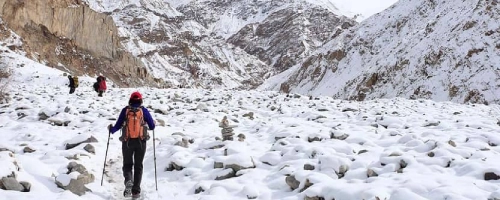
Snow Leopard Trek — Rumbak
Moderate — Wildlife Focus, WinterThis is for a specific type of traveller — someone who combines a love of trekking with a deep passion for wildlife. During winter, snow leopards descend from high ridges into the Rumbak Valley to hunt blue sheep at lower altitudes. With specialist naturalist guides, you spend mornings and evenings scanning the ridgelines for one of the rarest sightings in the natural world.
Altitude at a Glance — Know Before You Climb
| Trek | Difficulty | Days | Max Alt | Season | Experience Needed |
Solo Friendly? |
|---|---|---|---|---|---|---|
| Sham Valley | Easy | 3–4 | ~3,800m | Jun–Oct | None | Yes |
| Markha Valley | Moderate | 6–8 | 5,260m | Jul–Sep | Some trekking | With guide recommended |
| Rumtse–Tso Moriri |
Hard | 7–9 | ~5,400m | Jul–Sep | Prior high-alt trek | No — guide required |
| Chadar Trek | Extreme | 8–9 | ~3,700m | Jan–Feb | Good fitness | No — organised groups only |
| Stok Kangri | Extreme | 9–10 | 6,153m | Jul–Sep | Mountaineering exp. | No |
| Snow Leopard | Moderate | 8–12 | ~4,800m | Jan–Mar | Some trekking | With naturalist guide |
Acclimatisation — The Step That Most People Skip and Regret
Know the Three Stages of Altitude Sickness
Recognising the difference between mild AMS and serious altitude illness can be lifesaving on remote routes.
AMS
Mild
Headache, fatigue, loss of appetite, mild nausea. Rest and hydration usually resolve this within 24 hours. Do not ascend.
HAPE
Pulmonary
Breathlessness at rest, cough, chest tightness, pink frothy sputum. Descend immediately. This is life-threatening.
HACE
Cerebral
Confusion, loss of coordination, inability to walk straight. Emergency descent required. Do not wait for morning.
Important — Check Before You Travel
Permit rules in Ladakh can change with little notice, particularly for restricted border areas. Always verify current requirements through the District Commissioner's office in Leh or a registered local operator before finalising your route.
Permits & Entry Rules — What You Need and Where to Get It
What to Pack — Gear That Actually Matters at Altitude
Clothing &
Footwear
- Broken-in ankle boots with support
- Moisture-wicking thermal base layer
- 600-fill down jacket
- Windproof & waterproof outer shell
- Warm trekking trousers + gaiters
- Woollen hat, neck gaiter, insulated gloves
- Camp shoes or sandals
Gear & Equipment
- Sleeping bag rated −10°C minimum
- Trekking poles — essential on descents
- Headlamp + spare batteries
- UV400+ sunglasses (snow blindness is real)
- SPF 50+ sunscreen + lip balm
- 40–50L backpack with rain cover
Health & Safety
- Personal first aid kit
- Diamox if prescribed by doctor
- Oral rehydration salts
- Water purification tablets
- Reusable 1L water bottle
- High-altitude travel insurance
Nutrition & Energy
- High-calorie energy bars
- Dry fruits, nuts, dark chocolate
- Electrolyte powder sachets
- Instant oats for early starts
- Digestive biscuits for rough stomach days
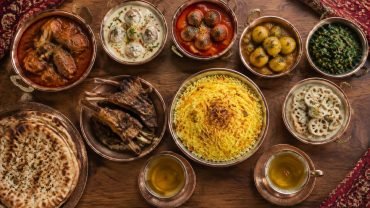
Food & Accommodation — Better Than You'd Expect
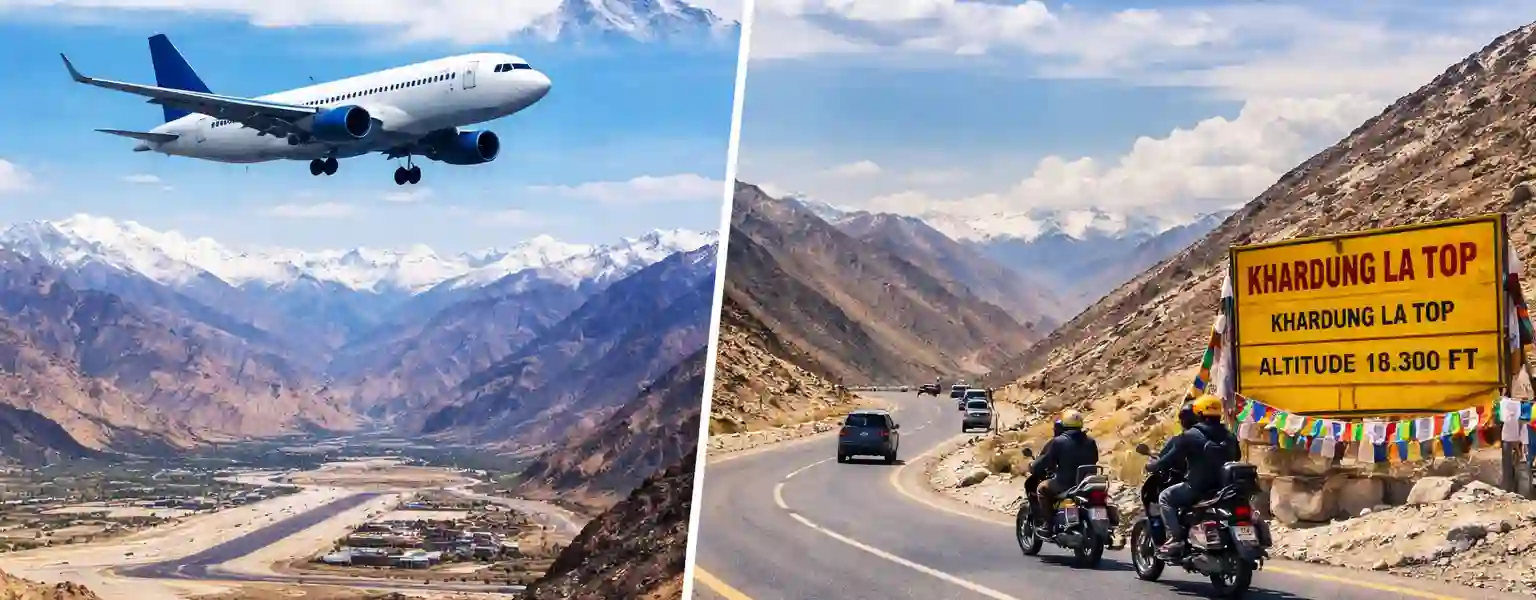
How to Reach Leh — The Two Ways In

Comment (0)