
Whether you’re a solo explorer, a nature enthusiast, or a cultural seeker, Sikkim welcomes you with clean air, scenic drives, and unmatched hospitality. With its eco-friendly tourism practices, organic farms, and peaceful towns, the state has also earned a reputation as one of India’s most sustainable travel destinations.
In this ultimate travel guide to Sikkim, you’ll discover everything you need to know before you go — from the best time to visit, must-see places, and local food, to budget planning, itinerary suggestions, and travel tips to help you plan an unforgettable trip in 2025.
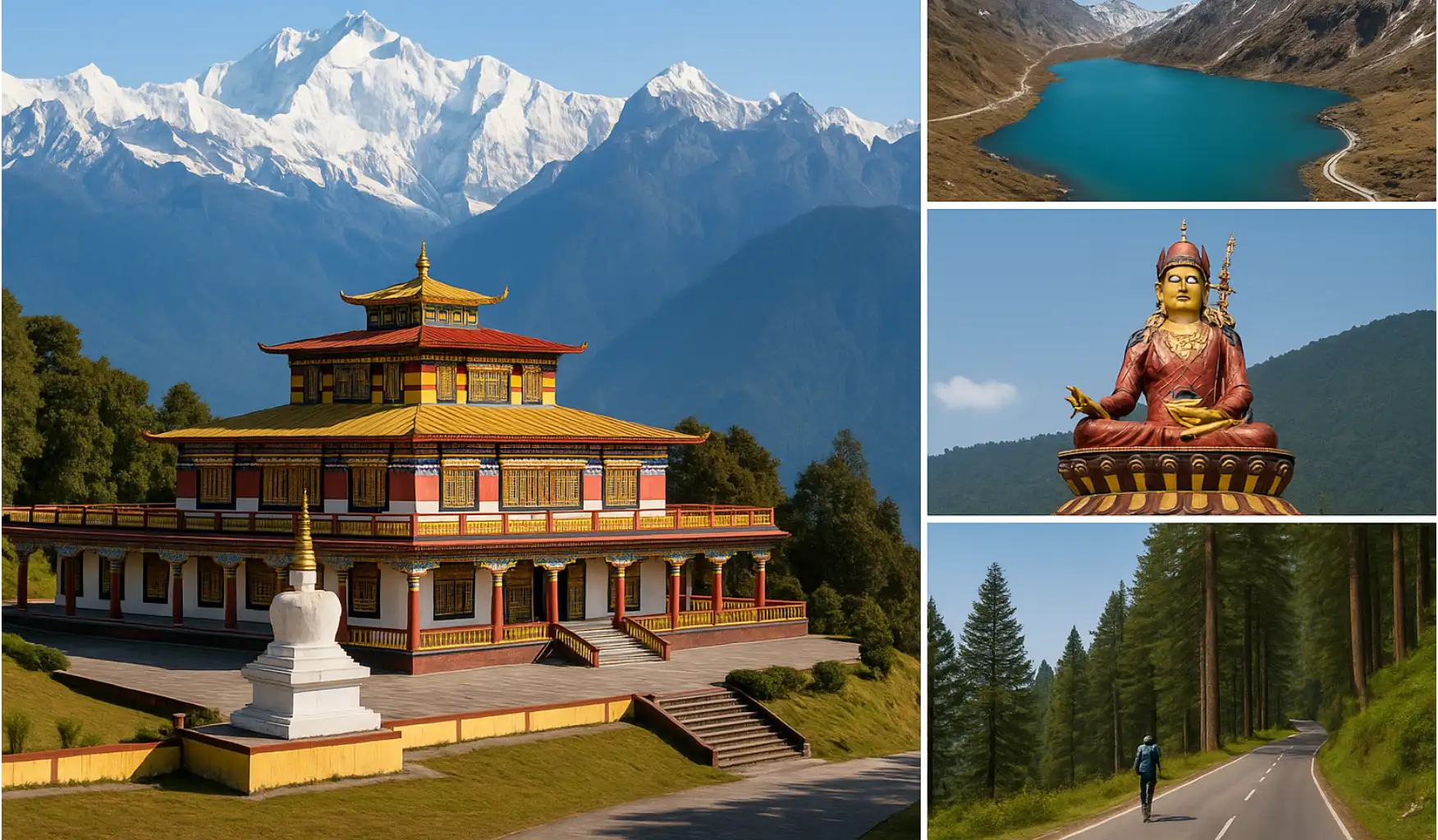
Best Time to Visit Sikkim
Spring (March to May)
- Weather: Crisp and cool, with temperatures ranging from 10°C to 20°C
- What to expect: Full bloom of rhododendrons and orchids, clear views of the Himalayas, great trekking conditions
- Events: International Flower Festival in Gangtok.
- Tip: Ideal time to explore Yumthang Valley, Tsomgo Lake, and Ravangla.
Summer (June to early July)
Summer is pleasant, especially in the higher altitudes of North and West Sikkim.
- Weather: Daytime temps of 15°C–25°C, occasional light rain
- What to expect : Lush green landscapes, cool air, good time for family and group travel
- Tip: Visit Lachen and Lachung before monsoon sets in
Monsoon (Mid-July to September)
Monsoon brings Sikkim alive with greenery but also comes with travel disruptions.
- Weather: Heavy rainfall, misty hills
- What to expect : Fewer tourists, off-season discounts, high landslide risk on mountain roads
- Tip: Avoid remote hill drives and check weather advisories
Winter (October to February)
Winter is magical, especially for those chasing snow and quietude.
- Weather: Sub-zero temperatures in North Sikkim, 5°C–15°C in Gangtok/
- What to expect : Snowfall in Tsomgo Lake, Lachung, and Gurudongmar Lake, crystal-clear mountain views
- Events: Losar Festival (Tibetan New Year), traditional Sikkimese celebrations
- Tip: Some areas may require permits or may be closed due to snow—plan accordingly
- Osho’s Meditation Resort in Pune is a life-changing location for people looking for spiritual enlightenment in a tranquil, nearly resort-like setting.
- For sightseeing & flowers: March to May
- For snow & festivals: October to early February
How to Reach Sikkim
Recommended Travel Window:
- Pakyong Airport (PYG): Located 31 km from Gangtok, this is Sikkim’s own domestic airport. Limited flights operate from cities like Kolkata, Delhi, and Guwahati. Ideal for travelers seeking direct access.
- Bagdogra Airport (IXB): Located in West Bengal, 125 km from Gangtok. It’s the most convenient airport with frequent flights from Delhi, Mumbai, Bangalore, and other metros.
- Tip: Prepaid taxis or shared cabs to Gangtok are easily available at the airport exit.
By Train: Nearest Railway Stations
- Sikkim doesn’t have its own railway station yet. The closest are:
- New Jalpaiguri (NJP): 120 km from Gangtok, connected to all major Indian cities.
- Siliguri Junction: 114 km away, often used by travelers coming from North Bengal or the northeast.
- From the station, you can take shared jeeps, private taxis, or buses to Gangtok (4–5 hours).
By Road: Scenic Drives
- Sikkim is well-connected by road from Siliguri, Darjeeling, Kalimpong, and other nearby towns.
- NH10 is the main highway connecting Gangtok to the rest of India.
- Sikkim Nationalized Transport (SNT) buses and shared sumos are reliable and budget-friendly options.
Local Transport
- Within Sikkim, shared jeeps, private cabs, and bike rentals are common, especially in areas like Gangtok, Pelling, and Ravangla.
- For North Sikkim (Lachen, Lachung), you’ll need to book a tour or permit-based vehicle.
- Sikkim Nationalized Transport (SNT) buses and shared sumos are reliable and budget-friendly options.
The Art of Living Center offers both short-term and advanced programs for spiritual seekers looking to deepen their practices in a peaceful, nature-filled setting.


Gangtok – The Capital City
- Why visit: Modern meets tradition here. Gangtok is the cultural, commercial, and touristic hub of Sikkim.
- Highlights: MG Marg, Enchey Monastery, Tashi View Point, Namgyal Institute of Tibetology, Ropeway rides
- Tip: Spend at least 2 days here to get permits for North Sikkim and explore nearby spots.
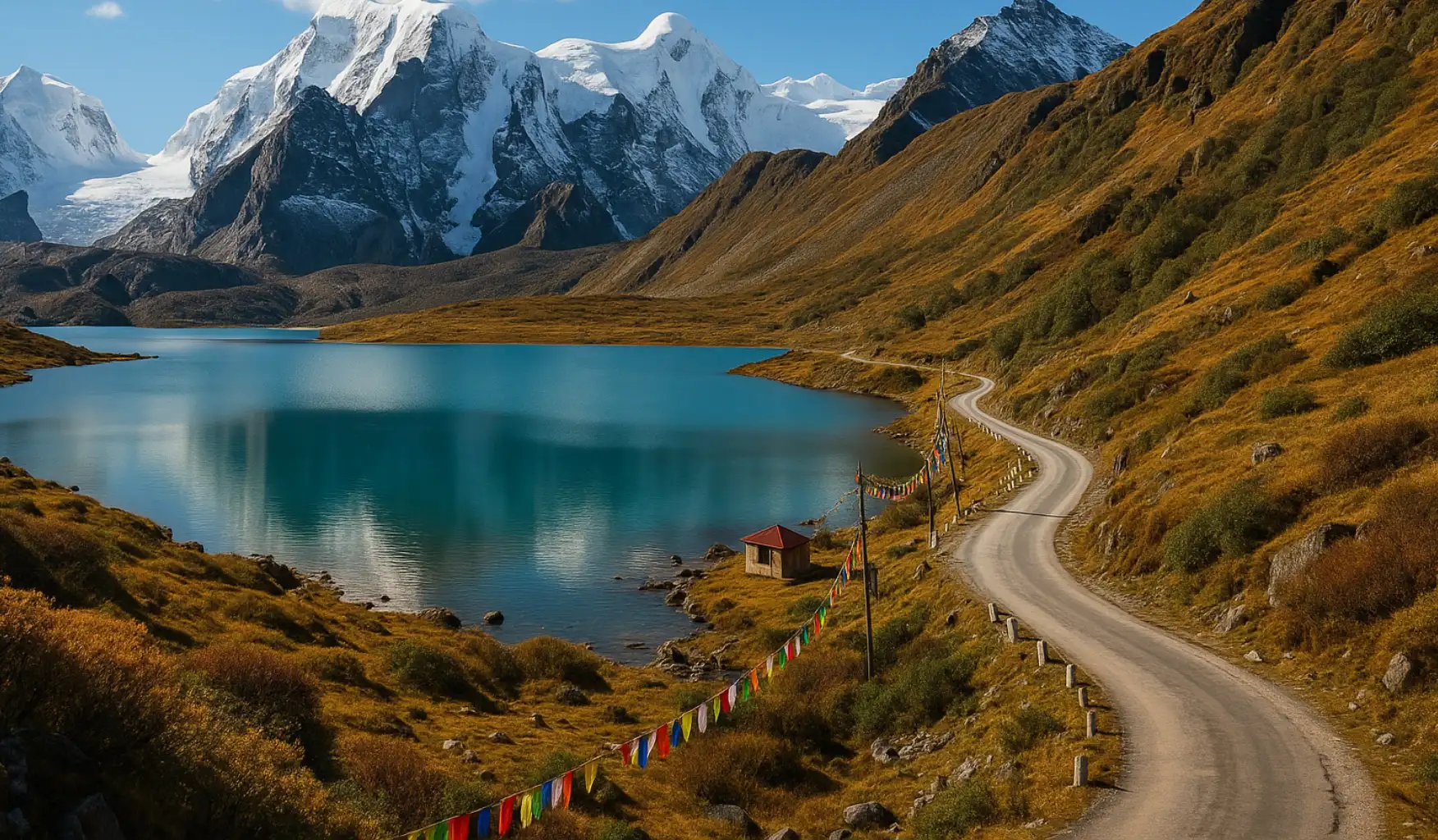
Tsomgo Lake (Changu Lake)
- Distance: ~40 km from Gangtok
- Why visit: A glacial lake at 12,000 ft surrounded by snow, yaks, and mysticism.
- Best time: April to May & November to February (for snow)
- Permit Required: Yes (for Indian nationals only)
Nathula Pass
- Altitude: 14,140 ft
- Why visit: Historic Indo-China border pass on the ancient Silk Route. Offers snow-covered landscapes and patriotic vibes.
- Permit Required: Yes (closed Mondays & Tuesdays)
- Note: Foreigners are not allowed here.
Lachen and Gurudongmar Lake
- Location: North Sikkim
- Why visit: Gurudongmar is one of the highest lakes in the world (17,800 ft) and a spiritual site for Buddhists and Sikhs.
- Tip: Spend a night in Lachen to acclimatize before heading to the lake.
Lachung and Yumthang Valley
- Known as: “Valley of Flowers of the East”
- Why visit: Rhododendron blooms (March–May), snowfields (Nov–Feb), hot springs, and surreal scenery.
- Also visit: Zero Point (last civilian road before the Indo-China border)
Pelling – Peaceful Hill Town
- Highlights: Skywalk, Pemayangtse Monastery, Rabdentse Ruins, Khecheopalri Lake
- Why visit: A less-crowded alternative to Gangtok with stunning Kanchenjunga views.
Ravangla & Namchi
- Why visit: Spiritual escape with giant Buddha and Guru Padmasambhava statues.
- Top Spots: Buddha Park (Ravangla), Samdruptse Hill, Namchi Chardham (a replica of India’s 4 dhams).
Rumtek Monastery
- Why visit: The largest monastery in Sikkim, home to the Karma Kagyu sect of Tibetan Buddhism.
- Tip: Don’t miss the intricate murals, prayer wheels, and peaceful courtyards.
Book Your Sikkim Tour Package
Where to Stay in Sikkim
Here’s a breakdown of where to stay in Sikkim by region and traveler type:
Gangtok – Comfort & Convenience
- Best for: First-time travelers, families, digital nomads
- Stay Options:
- Budget: Tag Along Backpackers, The Loft Norling Hotel
- Mid-Range: Udaan Woodberry Hotel & Spa, Hotel Tashi Delek
- Luxury: Mayfair Spa Resort & Casino, Denzong Regency
North Sikkim (Lachen & Lachung) – Base for Adventure
- Best for: Nature lovers, snow seekers, photographers
- Stay Options: Simple wooden lodges and homestays with basic amenities
- Recommended: Delight Royal Lachung, Rufina Lachen Deezong
Pelling – Peace & Kanchenjunga Views
- Best for: Couples, offbeat travelers, nature lovers
- Stay Options: The Elgin Mount Pandim, Norbu Ghang Resort, Rabdentse Residency
Ravangla/Namchi – Spiritual Retreats
- Best for: Peace seekers, cultural explorers
- Stay Options: Cloud’s End Retreat, Barfung Retreat
Across all regions, Sikkimese hospitality is rooted in warmth, comfort, and local experiences—making your stay as memorable as the journey itself.
Local Food & Culture in Sikkim
Must-Try Local Dishes
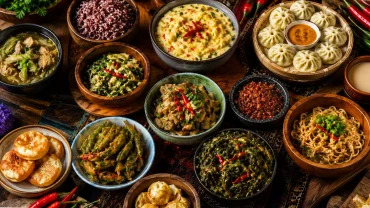
Sikkimese cuisine blends Nepali, Tibetan, and Bhutanese influences, focusing on fresh, organic, and mildly spiced food.
- Momos: Steamed or fried dumplings stuffed with vegetables or meat—served with a spicy tomato chutney.
- Thukpa: Warm noodle soup loaded with vegetables or meat—perfect for cold mountain evenings.
- Phagshapa: Pork stewed with radish and red chilies—popular in winter.
- Gundruk & Sinki Soup: Fermented leafy vegetables, rich in probiotics.
- Sel Roti: A ring-shaped fried rice bread often served during festivals.
Cultural Experiences Not to Miss
- Monasteries: Visit iconic sites like Rumtek, Pemayangtse, Enchey, and Tashiding to witness Tibetan Buddhist rituals, chanting monks, and spiritual silence.
- Festivals: Don’t miss Losar (Tibetan New Year), Saga Dawa, and Pang Lhabsol—celebrated with dances, traditional dress, and local feasts.
- Handicrafts & Textiles: Explore markets for handwoven shawls, carpets, wool products, and Buddhist thangka paintings.
- Language & Dress: While Nepali is widely spoken, locals also speak Bhutia, Lepcha, and English. Traditional attire includes the Bakhu (for men) and Kho (for women).
Experiencing Sikkim’s food and culture adds a deep emotional layer to your journey, connecting you to the people and traditions of this peaceful Himalayan state.
Sample 5–7 Day Itinerary for Sikkim
Arrive in Gangtok
- Arrive at Bagdogra Airport or NJP Railway Station.
- Drive to Gangtok (4–5 hrs) and check in to your hotel.
- Explore MG Marg, enjoy local food, and get permits for North Sikkim.
Gangtok Sightseeing
- Visit Rumtek Monastery, Enchey Monastery, Tashi View Point, and Namgyal Institute of Tibetology.
- Enjoy a ropeway ride and sunset at Hanuman Tok.
- Optional: Visit the Flower Exhibition Center (seasonal).
Tsomgo Lake & Nathula Pass
- Early morning trip to Tsomgo Lake and Nathula Pass (14,000+ ft).
- Also visit Baba Mandir.
- Return to Gangtok by evening.
Drive to Lachen
- Enjoy a scenic 6–7 hour drive via Singhik Viewpoint and beautiful waterfalls.
- Overnight stay in Lachen.
Gurudongmar Lake & Transfer to Lachung
- Visit Gurudongmar Lake (17,800 ft), one of the world’s highest lakes.
- Return for lunch and continue your journey to Lachung.
- Overnight stay in Lachung.
Yumthang Valley & Zero Point
- Visit the beautiful Yumthang Valley.
- Optional excursion to Zero Point.
- Drive back to Gangtok in the evening (6–7 hrs).
Departure
- Check out from your hotel.
- Drive to Bagdogra Airport or NJP Railway Station.
- Depart with unforgettable memories of Sikkim.
Short on Time?
- Choose a 4-day itinerary covering Gangtok, Tsomgo Lake, and Nathula Pass if you’re skipping North Sikkim.
Sikkim Trip Budget Breakdown
1. Backpacker Budget (₹1,800–₹2,500/day)
-
- Accommodation: ₹600–₹1,000 (hostels, homestays, budget guesthouses)
- Food: ₹300–₹500 (local eateries, thali joints, momos)
- Transport: ₹400–₹600 (shared jeeps, buses, local taxis)
- Permits & Entry Fees: ₹100–₹200
- Extras: ₹200 for snacks, SIM recharge, and tips
- Estimated 7-Day Cost: ₹13,000–₹17,500
2. Mid-Range Traveler (₹3,000–₹5,000/day)
-
- Accommodation: ₹1,200–₹2,500 (boutique hotels, city stays)
- Food: ₹500–₹800 (cafes and hotel dining)
- Transport: ₹800–₹1,200 (private cabs and North Sikkim tour packages)
- Sightseeing & Permits: ₹300–₹500
- Estimated 7-Day Cost: ₹21,000–₹35,000
3. Luxury Traveler (₹6,000–₹12,000/day)
-
- Accommodation: ₹3,000–₹7,000+ (resorts, heritage hotels, spa retreats)
- Food: ₹1,000+ (fine dining and curated meals)
- Private Transport & Guide: ₹1,500–₹3,000 per day
- Estimated 7-Day Cost: ₹45,000–₹80,000+
Additional Costs to Consider:
-
- Permits for Nathula & North Sikkim: ₹200–₹500
- Camera Fees: Additional charges may apply at monasteries and certain tourist sites.
- Shopping: Budget extra for handicrafts, local woolens, tea, and souvenirs.
- Tip: Book North Sikkim packages from Gangtok for better rates (includes stay, food, and permits).
Travel Tips & Safety Advice for Sikkim
Essential Packing Tips
- Warm Clothing: Carry warm clothes throughout the year, especially for North Sikkim—even during summer.
- Footwear: Wear sturdy trekking shoes for high-altitude walks and uneven terrain.
- Essentials: Pack a power bank, universal adapter, torchlight, and basic medications.
- Identity Proof: Always carry your Aadhaar Card or passport, as they are required for permits.
Permits & Documents
- Indian Nationals: Permits are required for Nathula Pass, Gurudongmar Lake, Yumthang Valley, and Zero Point.
- Foreign Nationals: An Inner Line Permit (ILP) is required, and access to certain border areas is restricted.
- Permit Process: Obtain permits through a registered travel agent or your hotel in Gangtok.
- Tip: Carry multiple photocopies of your ID and a few passport-sized photographs.
Health & Altitude Safety
- Altitude: North Sikkim destinations like Lachen and Gurudongmar are above 15,000 ft and may cause altitude sickness.
- Acclimatization: Spend at least one day in Gangtok before traveling to higher altitudes.
- Medical Essentials: Carry Diamox, ORS packets, and enough drinking water.
- Avoid Alcohol: Refrain from consuming alcohol at high altitudes.
Transport & Connectivity
- Road Conditions: Mountain roads are winding, so carry motion sickness tablets if needed.
- Mobile Network: Jio and Airtel offer the best coverage in Gangtok and Pelling, while connectivity is limited in remote areas.
- Advance Booking: Reserve taxis in advance during peak travel seasons (March–May and October–December).
Respect Local Culture
- Photography: Ask for permission before photographing monks, local residents, or monastery interiors.
- Keep Sikkim Clean: Avoid littering and support the state’s plastic-free initiative.
- Dress Modestly: Wear respectful clothing while visiting temples, monasteries, and other religious sites.
Planning a trip? Check out the Do’s and Don’ts in Sikkim first.
Frequently Asked Questions
If you’re planning your first trip to this Himalayan gem, it’s natural to have questions. Here are some of the most frequently asked questions about visiting Sikkim in 2025:


Comment (0)