
Quick-look guide
| ✔DO | ✖DON'T |
|---|---|
| Carry multiple photo ID copies and passport photos | Assume Aadhaar alone gets you everywhere |
| Apply for Inner Line Permits before remote travel | Show up at Nathula or Gurudongmar without paperwork |
| Acclimatize 24–48 hours in Gangtok before high altitude | Fly into Pakyong and drive straight to Lachen |
| Carry cash — small notes especially | Rely on UPI or cards in North Sikkim |
| Ask before photographing people, monks, or rituals | Use flash or drones near monasteries |
| Walk clockwise around stupas and prayer wheels | Point your feet toward an altar or elder |
| Pack layers, even in summer | Underestimate how cold mountain nights get |
01
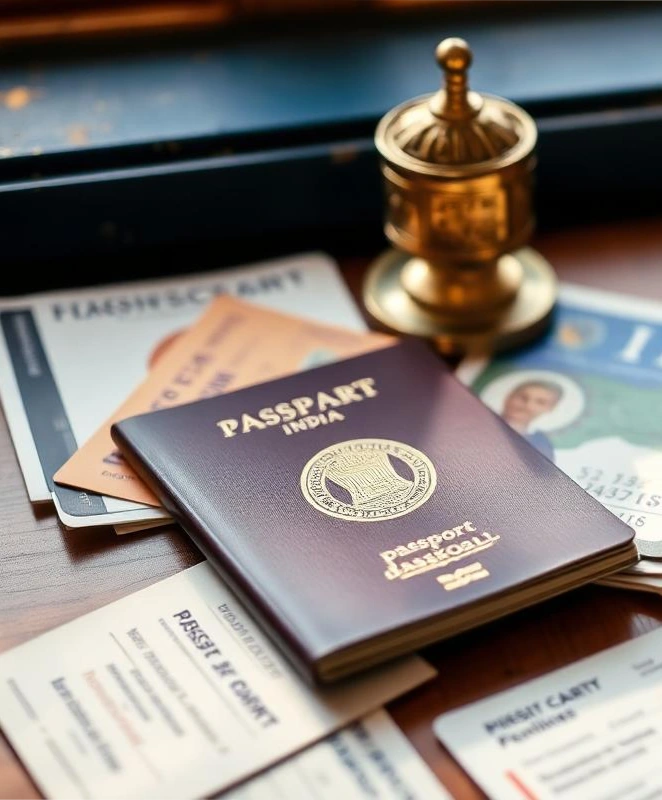
Permits & Paperwork
Sikkim has stricter permit rules than most Indian states. Foreign nationals need a Restricted Area Permit (RAP) to enter Sikkim, while Indian nationals require permits for protected areas like Nathula Pass and North Sikkim. Carry valid ID and passport-size photos, and always check the official Sikkim Tourism portal for the latest permit guidelines before your trip. Apply for permits a few days in advance to avoid delays. Keep both digital and printed copies of your documents handy during your journey.
- RAP for foreigners — now online only via e-FRRO
- PAP for Tsomgo & North Sikkim; Nathula PAP for Indians only
- Carry ID + photos; check official portal
- Gurudongmar, Nathula, Zuluk — closed to foreigners, no exceptions
- Do
- Carry 4–6 passport-size photos and at least three photocopies of your government ID.
- Foreign nationals must apply for the Restricted Area Permit online through India's e-FRRO portal — physical permits are no longer issued. Apply a few days before travel and carry a printed copy.
- Keep digital backups of every document on your phone and in cloud storage.
- Don't
- Don't try to reach Tsomgo Lake, Nathula, Gurudongmar, or Yumthang without a permit — you will be turned back.
- Don't lose the permit slip after entry; you'll need it at multiple checkpoints.
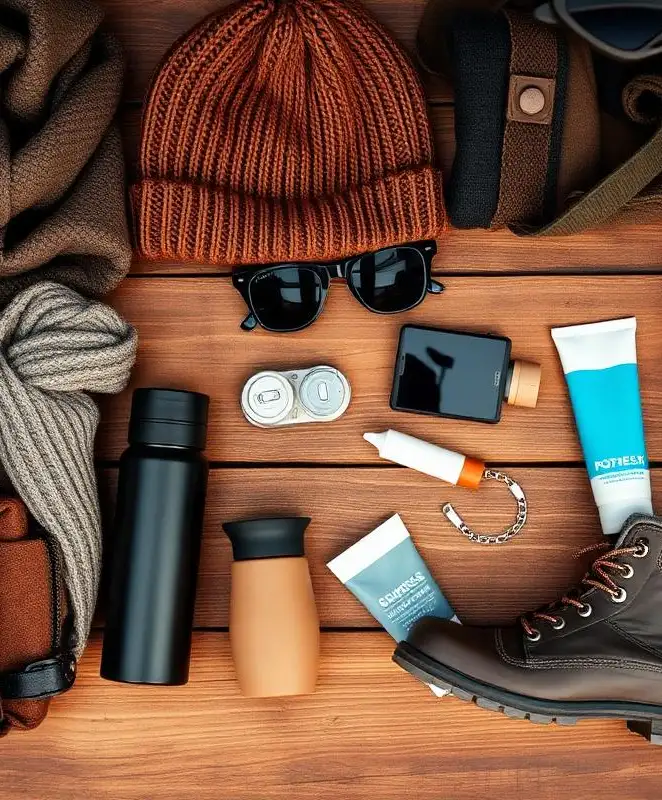
Packing & Weather
Sikkim weather changes in vertical feet, not just seasons. Gangtok at 1,650 m can be balmy while Lachung two hours away needs a jacket. The golden rule: dress like you’re going somewhere 10°C colder than your weather app suggests. Always carry a waterproof jacket, as mountain showers can arrive without warning. Even during summer, mornings and evenings can feel chilly at higher altitudes, so pack thermal layers, gloves, and sturdy footwear — comfort here depends less on the calendar than on the elevation you’re climbing to that day.
- Layer up: thermal base + fleece + waterproof outer shell
- Check elevation, not just season, before picking your day's outfit
- Carry gloves, a warm hat, and sturdy waterproof shoes for higher stops
- Do
- Pack in layers: a thermal base, a fleece mid-layer, and a windproof outer shell.
- Bring sturdy waterproof shoes — monsoon mud and snow slush are real.
- Carry SPF 50+ sunscreen, lip balm, and polarized sunglasses for snow glare.
- Don't
- Don't pack only summer clothes for a May trip — Lachen mornings can hit 4°C.
- Don't bring brand-new boots; break them in at home first.
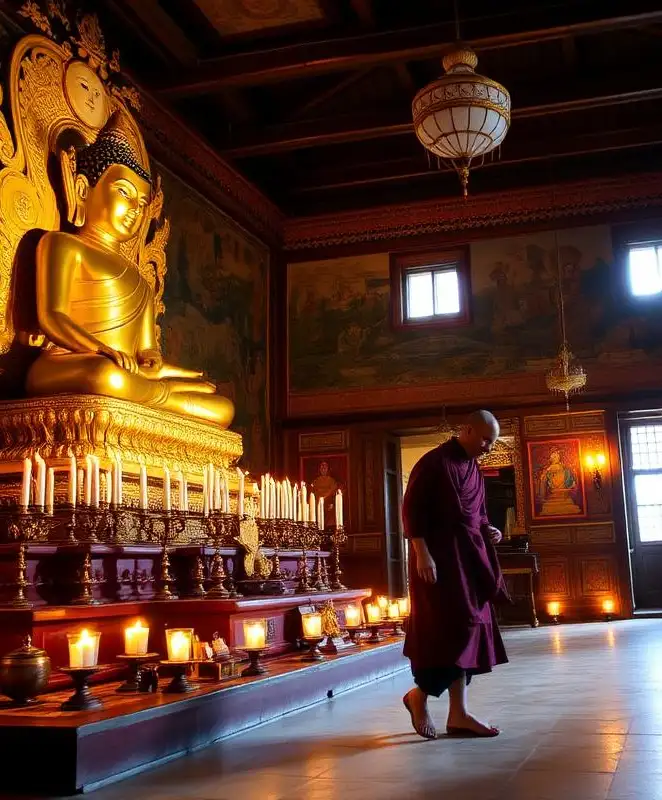
Monastery Etiquette
- Dress modestly — covered shoulders and knees, no loud or flashy clothing
- Keep your voice low and phone on silent
- Remove shoes before entering prayer halls where required
- Do
- Remove shoes and hats before entering any prayer hall.
- Walk around stupas, mani walls, and prayer wheels clockwise — always.
- Speak softly. If a puja is happening, sit at the back and observe.
- Don't
- Don't photograph the inner sanctum or ongoing rituals without explicit permission.
- Don't touch a monk on the head, ever — it's deeply disrespectful.
- Don't turn your back to the main altar when leaving; step back a few paces first.
Ready to Experience Sikkim?
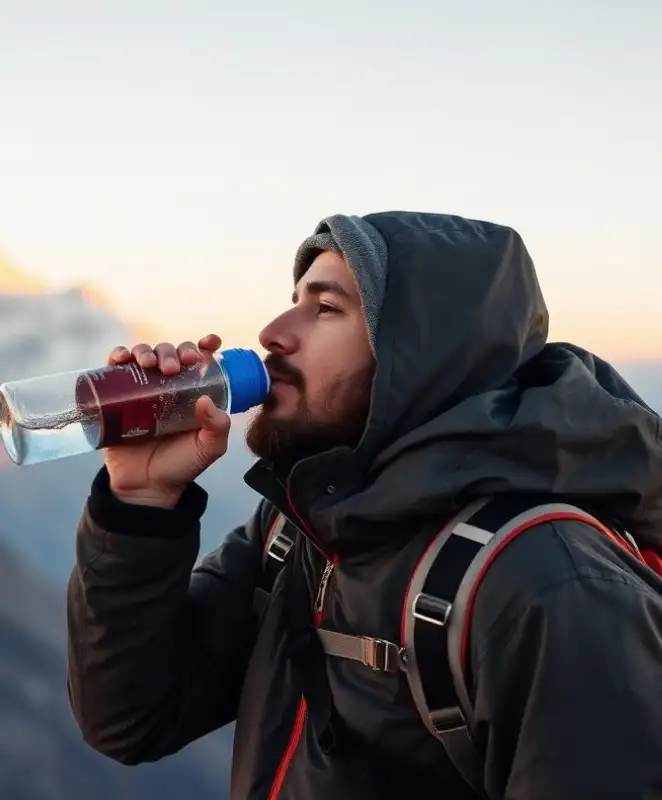
Health & Altitude
- Spend a night in Lachen before going higher
- Watch for headache, nausea, dizziness, breathlessness
- Hydrate, move slowly, skip alcohol
- Consider Diamox after checking with a doctor
- Do
- Spend at least one full night in Gangtok (1,650 m) before heading to 3,000 m+.
- Drink 3–4 liters of water daily. Hydration is the cheapest altitude medicine.
- Consult your doctor about Diamox before the trip if you have any concerns.
- Don't
- Don't drink heavily the night before going to high altitude.
- Don't ignore persistent headaches, nausea, or breathlessness — descend.
- Don't push through AMS symptoms to 'make the itinerary work.'
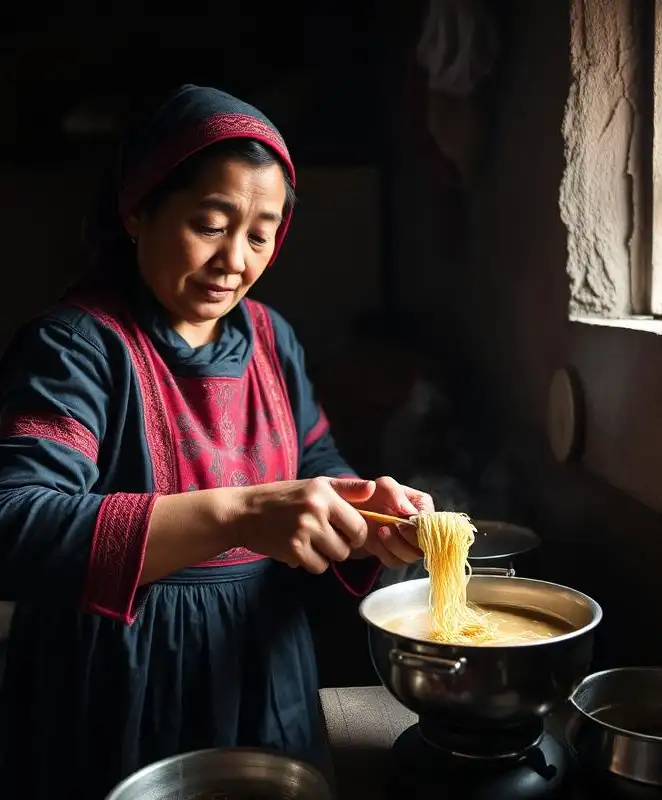
Environment & Local Customs
- Eat local, seasonal food over packaged snacks
- Avoid single-use plastic; carry a reusable bottle
- Don't litter, even biodegradable waste
- Do
- Carry a reusable water bottle — Sikkim banned single-use plastic water bottles in 2022.
- Greet elders with 'Tashi Delek' and a slight bow; it's universally appreciated.
- Try the local food: momos, thukpa, gundruk, sel roti, and fermented millet drink (tongba).
- Don't
- Don't litter, even a tissue. Locals take environmental pride seriously.
- Don't refuse offered tea without a gentle reason — hospitality is sacred here.
- Don't bargain aggressively in village markets; margins are already thin.
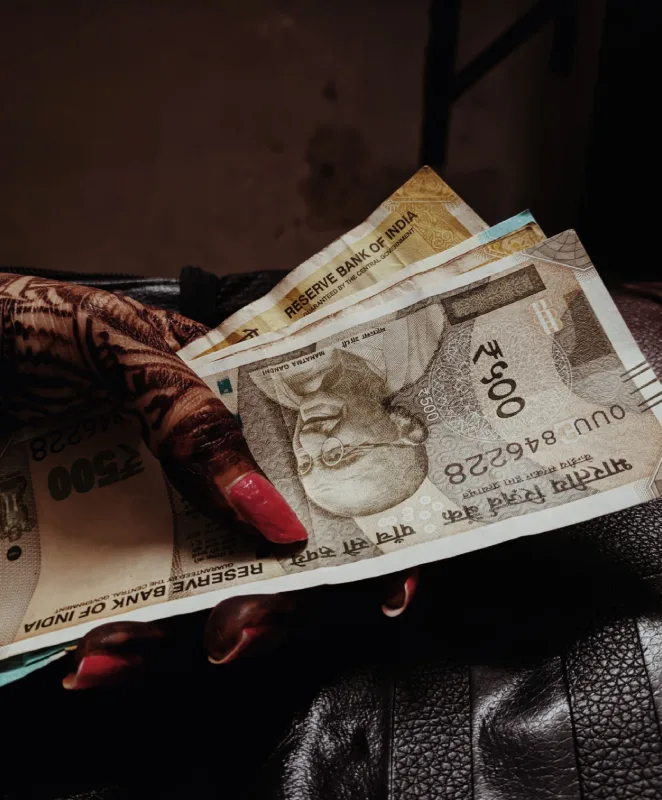
Money & Connectivity
- Carry enough cash — cards and UPI rarely work in North Sikkim
- Expect little to no mobile signal beyond Mangan
- Inform family/friends in advance you'll be unreachable
04
- Do
- Withdraw enough cash in Gangtok or Siliguri before heading north.
- Use Jio or Airtel postpaid for the best signal; BSNL works in deep pockets.
- Download offline Google Maps for North Sikkim before you lose signal.
- Don't
- Don't expect ATMs in Lachen, Lachung, or anywhere above 2,500 m to be reliable.
- Don't count on 4G past Mangan — prepare for digital silence.
Quick answers
Indians don’t need this but require a Protected Area Permit (PAP) for protected areas like Nathula, Tsomgo, and North Sikkim.
March to May for rhododendrons and clear mountain views, and October to mid-December for crisp post-monsoon skies. Avoid June to September if you dislike heavy rain and landslides.
Yes, Sikkim is among the safest states in India for solo women. Locals are respectful, crime rates are low, and homestays are common. Standard travel precautions still apply, especially after dark.
Minimum five days for East Sikkim (Gangtok, Tsomgo, Nathula). Add three to four days for North Sikkim (Lachung, Yumthang), and another three for West Sikkim (Pelling, Yuksom). A complete trip needs ten to twelve days.
Stick to filtered or bottled water — though carry a reusable bottle and refill at hotels or homestays since single-use plastic is banned. Many guesthouses offer free filtered refills.
Strongly recommended, especially one covering high-altitude evacuation. Roads to North Sikkim are remote, hospitals are limited, and helicopter rescue from Gurudongmar or Yumthang isn’t cheap without coverage.


Comment (0)