
What's Inside This Guide
Why Visit Sikkim? Explore the Reasons to Visit Sikkim
01 Cold Mountains & Scenic Lakes

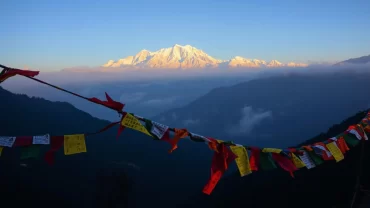
At sunrise the Himalayan giants paint the sky, reminding visitors of one key reasons to visit Sikkim: breathtaking beauty of nature. The great Kanchenjunga massif forms part of the dramatic scenery of Sikkim. In spring, the rhododendron forests come into bloom and the alpine meadows of the Yumthang Valley are carpeted in wildflowers. Snow-covered peaks and frozen forests create a fairy tale landscape even in winter.
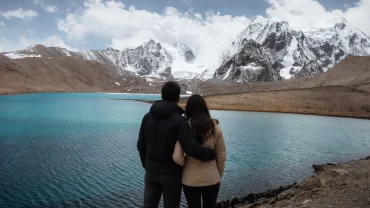
From the emerald Tsomgo (Changu) Lake to the serene Gurudongmar, every sight is a postcard. In fact Sikkim has some of the most beautiful views on earth, which is exactly why visit Sikkim becomes an easy question to answer.
Away from the cities the high mountain lakes draw travelers. And the Tsomgo Lake, a glacial lake at 3,780 m near Gangtok is like a paradise where the crystal clear water reflects the sky. Further north is Gurudongmar Lake at approx. 5,183 m. It is one of the highest lakes in the world Cholamu (Madhuri) Lake is even higher at ~5,430 m and is surrounded by a ‘breathtaking panorama’ of frozen mountains.
Every such scene is a reason to visit Sikkim which is the feeling of being on top of the world, gazing at the grandeur of nature. From tropical valleys in the south to icy passes in the north, Sikkim truly lives up to the phrase that it has something picturesque in each season.At sunrise the Himalayan giants paint the sky, reminding visitors of one key reasons to visit Sikkim: breathtaking beauty of nature. The great Kanchenjunga massif forms part of the dramatic scenery of Sikkim. In spring, the rhododendron forests come into bloom and the alpine meadows of the Yumthang Valley are carpeted in wildflowers. Snow-covered peaks and frozen forests create a fairy tale landscape even in winter.
02 Thrilling Adventure Activities

Adventure lovers can have a great time in Sikkim. The rough terrain gives you all the adrenaline rush you could want. Epic hikes such as the famed Goecha La trek to the base of Kanchenjunga reward hikers with “stunning views of the Himalayan peaks”. Sikkim is dotted with wild rivers like Teesta and Rangeet where rafters can ride on exhilarating rapids.
Panoramic flights over emerald valleys from hilltops of Gangtok & Kalimpong paragliding. Mountain biking through forested trails, zip lining in places like Temi and cable-car rides (gondolas) above Tsomgo/Lachung add more spice. Adventure Activities in Sikkim . Popular adventure activities in Sikkim are:
- Trekking high pass (Goecha La, Dzongri) for views of Kanchenjunga.
- Paragliding over the valleys of Gangtok with views of the Himalayas.
- Rafting on the rivers Teesta and Rangeet.
- Ziplining and Aerial Ropeways around Temi and Gangtok.
- Camping and mountain biking in alpine meadows.
From easy trekking to tough mountain passes, there’s a reason to visit Sikkim for every level of adventure. Sikkim, in fact, has more glaciers (84 in all) than any other Indian state.
03 Rich Local Culture & Heritage
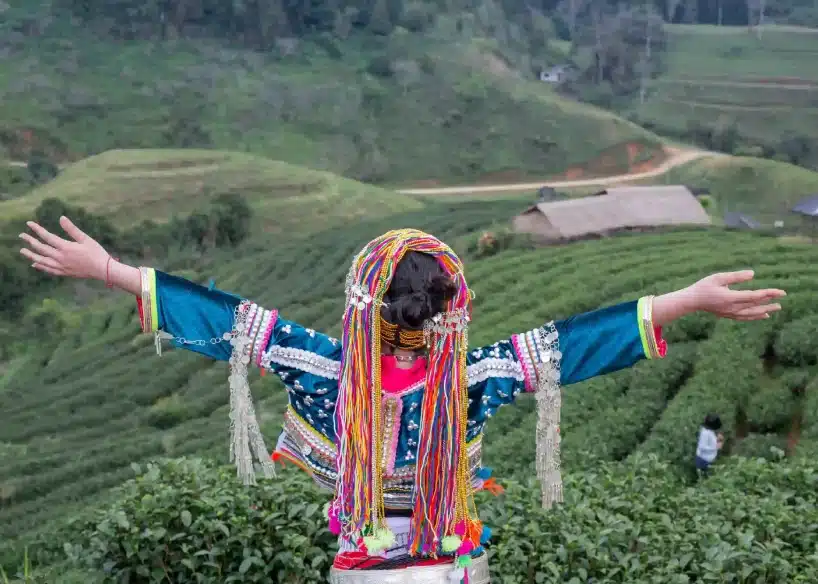
The cultural mosaic of Sikkim is just as fascinating. Here the indigenous Lepchas, Bhutias and Nepalese communities coexist, each adding to the local tapestry. Festivals of Sikkim – To experience the colorful traditions. You can join the celebrations of Losar (Tibetan New Year), Saga Dawa, Bumchu and Dasain–Tihar throughout the year. Monks and villagers perform masked dances, music and rituals.
Sikkim is worth a visit to experience these events, or even to participate in them. But beyond festivals, everyday life is steeped in heritage from craft centers to colorful markets. In South Sikkim, for instance, the Temi Tea Garden beckons visitors to taste organic mountain tea as they stroll through green plantations. They say Temi’s tea is the ‘real essence of Sikkim’.
Choosing a homestay also gives you an insight into local life. Friendly hosts, home-cooked food and hospitality have been called “the warmth of Sikkimese culture”. All of these come together to give off a warm, inviting vibe which is one more reason to visit Sikkim for culturally curious travelers. Major highlights of the heritage of Sikkim are:
- Festivals & Traditions: Colorful events like Losar, Dasain and Tihar that include local dances and rituals.
- Ethnic Diversity: A blend of Lepcha, Bhutia and Nepali traditions in art, music and day-to-day life.
- Temi Tea Garden (South Sikkim): A picturesque organic tea estate with scenic walks and fresh tea.
- Homestays: Live with local families for genuine food and cultural exchange.
04 Delectable Local Cuisine

No travel list is complete without great food and the cuisine of Sikkim is a delightful discovery. The local food is Tibetan and Nepali influenced with a twist of its own from the Himalayas. Momos and thukpa, a type of noodle soup, are staples. These are the type of warm comfort foods that are perfect for cool mountain climates. Among the specialties, both distinctive local dishes, are gundruk, a tangy fermented leafy-green dish, and sel roti, a ring of crispy fried rice bread.
You’ll find spiced pork and radish curries like phagshapa and traditional drinks like chaang (millet beer) at village festivals. In short, tasting Sikkimese food from the street carts to family kitchens is itself a reason to visit Sikkim for any foodie.
Signature Sikkimese flavors:
- Momos (dumplings with meat or vegetable filling)
- Thukpa (meat/vegetable soup with noodles)
- Gundruk (fermented greens)
- Sel Roti (fried rice doughnut/bread)
- Phagshapa (spicy pork & radish)
- Chaang (millet beer local to the area)
A tasty bonus: In 2016, Sikkim was declared the world’s first fully organic state. That means the majority of what’s on your plate is coming from organic, pesticide-free farms.
The Sikkimese dishes are extra fresh, with freshly picked vegetables, homegrown herbs and local dairy, making every bite truly flavorful. Sikkim tourism points out for foodies include the farm-to-table focus here, which is yet another tasty reason to add Sikkim to your list.

05 Monasteries & Spiritual Retreats
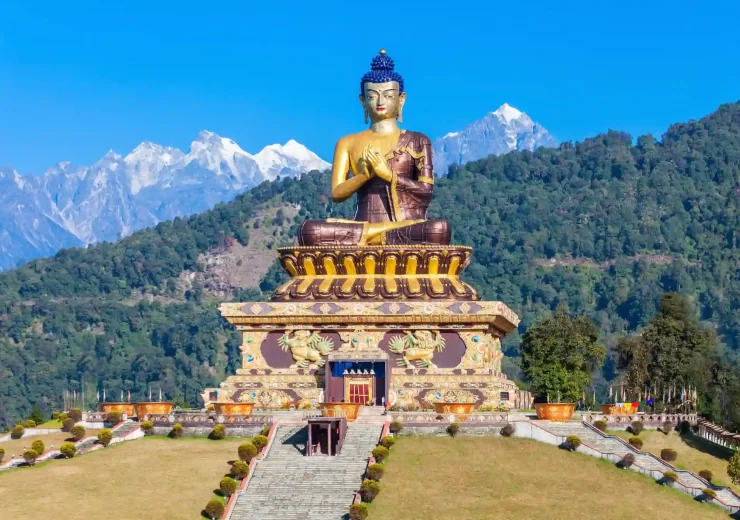
Sikkim, with its vibrant Buddhist traditions, is a haven for spiritual travelers. There are around 200 monasteries in the state, many of them on hilltops with panoramic views. Famous ones are Rumtek Monastery (near Gangtok) and Pemayangtse Monastery (near Pelling) which are popular for gilded stupas and tranquil courtyards. Every monastery you visit is a lesson in peace.
Spinning prayer wheels and morning puja create a contemplative mood at these spiritual centers. you feel calm and relaxed growing over you” as you walk on its grounds, writes one traveler of Rumtek. In quiet corners of Sikkim monks chant mantras and mountain top temples invite contemplation. This is a special reason to visit Sikkim for anyone seeking tranquility. The important monasteries of Sikkim are :
- Rumtek Monastery: The Karmapa’s Golden Palace near Gangtok.
- Pemayangtse Monastery: An old Nyingma gompa with intricate woodwork.
- Tashiding Monastery: One of Sikkim’s oldest, it overlooks holy sites.
These are living spiritual communities, not just for tourists. Sikkim’s identity is shaped by soul-nourishing experiences such as quiet mornings with fluttering prayer flags or participating in an annual festival at a monastery.
In simple words, the peaceful aura of these temples is a major Sikkim tourism attraction and a primary reason why so many tourists fall in love with Sikkim.
06 Trekking & High-Altitude Exploration

At last, for those with dreams of the roof of the world, Sikkim delivers. Its trails and passes at high altitude let you walk among the clouds. The legendary Goecha La Trek to Kanchenjunga Base Camp, which offers “stunning views of the Himalayan peaks” along the way. Other epic routes include the Singalila Ridge (with views over four 8,000m giants) and Dzongri for sunrise panoramas.
You can also drive to extreme points in Sikkim’s road network. Nathula Pass on the Indo-China border is at 4,400m (14,450ft) and has historic vistas of mountain warfare.
Many of Sikkim’s high-altitude highlights are unforgettable: Gurudongmar Lake (5,183 m) is said to have “beauty beyond comprehension”, and Cholamu Lake (17,800 ft) sits amid “mesmerizing alpine scenery”. Even casual trekkers can try shorter hikes such as seven sisters waterfalls or Kala Patthar. These trails and vistas especially above 4,000 m are another reason to visit Sikkim.
Best Time to Visit Sikkim
Sikkim is a year-round destination, but timing your visit strategically makes all the difference. The chart below maps monthly travel suitability across weather, visibility, and festival seasons.
Best Time to Visit Sikkim – Monthly Travel Score
Travel Suitability Score (0–100)
March – May
Spring
Best for rhododendron blooms, wildflowers in Yumthang, and clear Himalayan vistas. Peak spring season.
⭐ Peak seasonJune – August
Monsoon
Monsoon season — lush green landscapes but road closures possible. Suited for budget travellers.
💰 Budget friendlySep – November
Autumn
Post-monsoon clarity. Crystal-clear mountain views, pleasant temperatures. Second peak season.
👁 Crystal clear viewsDecember – Feb
Winter
Snow season — North Sikkim transforms into a winter wonderland. Ideal for snow & adventure lovers.
❄️ Winter wonderlandWhat Draws Travellers to Sikkim
Sikkim attracted 15,40,421 domestic visitors in 2024 — an all-time high for the post-pandemic era.
Foreign arrivals reached 84,820 in 2024, with a consistent upward trend year over year.
Tourism now contributes approximately 10% of Sikkim’s GSDP.
Practical Tips Before You Go
- Permits: Foreign nationals require a Restricted Area Permit (RAP); Indian nationals need an Inner Line Permit (ILP) for certain zones like North Sikkim, Nathula, and Gurudongmar. Permits can now be obtained online via the Sikkim Tourism portal.
- Altitude Awareness: Parts of Sikkim exceed 5,000 m. Ascend gradually, stay hydrated,and spend at least one night in Gangtok (1,650 m) before proceeding higher.
- Connectivity: Mobile networks (Jio/Airtel/BSNL) cover most of the state but can be patchy in remote areas. Download offline maps before your trip.
- Currency: Carry sufficient cash — ATMs exist in Gangtok and Namchi, but are sparse in rural areas.
- Responsible Travel: Respect monastery rules (remove shoes, no photography without permission), avoid single-use plastics, and always carry your waste back.
- How to Reach: Fly to Bagdogra Airport (West Bengal), then taxi/bus to Gangtok (~4 hrs). Pakyong Airport (Sikkim) also receives select flights.
Final Word: Sikkim Awaits
Sikkim is not just a travel destination. It is a philosophy — of living in harmony with nature, of
preserving culture while embracing the world, of offering genuine warmth to every stranger who walks through its mountain passes. Few places on earth can match this combination of natural grandeur, spiritual depth, cultural richness, and ecological integrity in such a compact, accessible space.
You could spend a lifetime visiting the Himalayas and still not find another state quite like this one. So do yourself a favour: put Sikkim at the very top of your travel list — not just for this year, but for life.
“Sikkim is what the world looked like before we got too busy to notice it.”
— Anonymous Traveller
FAQs
The best time to visit Sikkim is from March to May (spring) and October to December (autumn). Spring brings blooming rhododendrons and clear mountain views, while autumn offers crisp skies perfect for spotting Kanchenjunga. Avoid the monsoon season (June–September) due to heavy rainfall and landslides.
Yes. Indian nationals need an Inner Line Permit (ILP), which can be obtained at the entry checkpoints or online. Foreign nationals require a Protected Area Permit (PAP), available through registered travel agencies or the Sikkim government. Additional permits are needed for restricted areas like Nathula Pass and North Sikkim.
Sikkim is packed with breathtaking spots, including:
- Tsomgo (Changu) Lake – a sacred glacial lake
- Rumtek Monastery – one of the most significant Buddhist monasteries
- Gurudongmar Lake – one of the world’s highest lakes
- Pelling – for stunning Kanchenjunga views
- Gangtok – the vibrant capital with markets and viewpoints
Sikkim is widely regarded as one of the safest states in India for all types of travelers, including solo and women travelers. It consistently ranks low in crime statistics, locals are known for their warmth and hospitality, and the state maintains a clean, peaceful environment.
Sikkim stands out because of its unique blend of nature, culture, and sustainability. It was India’s first fully organic state, has a rich Tibetan Buddhist heritage, offers diverse landscapes — from subtropical forests to snow-capped peaks — and provides adventure activities like trekking, mountain biking, and river rafting, all in one compact destination.


Comment (0)