
What's Inside This Guide
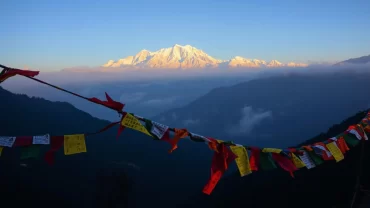
Sikkim does not announce itself quietly. The moment the road climbs past Rangpo and the air turns thin and clean, you realise this is a state built on vertical drama — prayer flags snapping in the wind, glacial lakes the colour of bottle glass, and Kangchenjunga, the world’s third-highest peak, watching over almost every trail. For trekkers and adventure travellers, Sikkim is one of the last genuinely uncrowded corners of the Himalaya, protected by permits, monsoon-fed forests, and a culture that still treats the mountains as sacred rather than scenic.
This guide pulls together the trekking routes and adventure activities that are actually worth your time, distance, altitude, permits, and the small details that most blogs leave out, drawn from route data, official permit rules, and what veteran trekkers consistently flag as the things they wish they had known before they started walking. Whether you have four days or two weeks, there is a route below built for you.
Why Sikkim Deserves a Spot on Your Trekking List
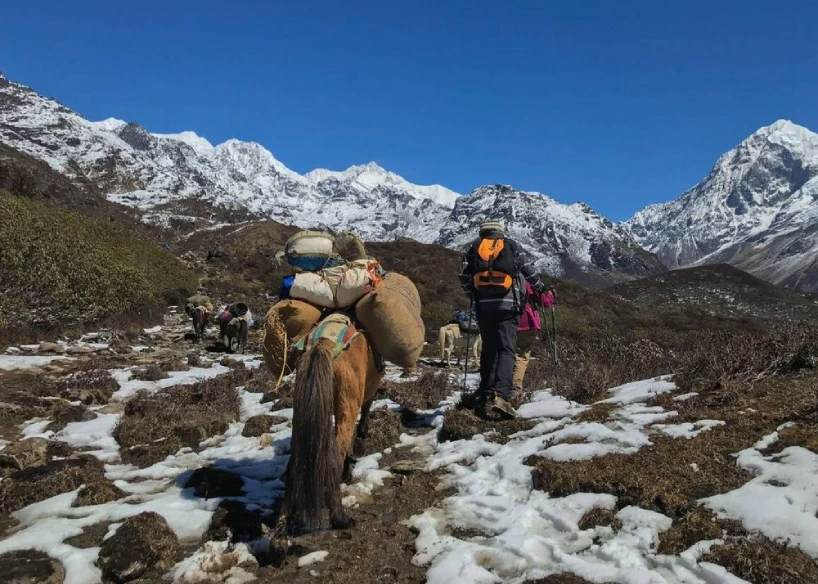
Unlike Nepal’s heavily trafficked Everest and Annapurna circuits, Sikkim’s trails are capped by permit quotas, group-size rules, and a national park system that genuinely limits footfall. The result is something increasingly rare in Himalayan trekking: a multi-day trail where you can walk for hours without passing another group, camp beside a glacial lake that is not ringed with tea house clutter, and still end the day in a warm, home-cooked meal cooked by a local family rather than a commercial lodge. Add to that Sikkim’s status as India’s first fully organic state, its Buddhist monastery culture woven directly into trekking routes like Tholung and Dzongri, and a biodiversity hotspot status that brings red pandas, blue sheep, and over 600 species of orchids into trail-side view, and it becomes clear why returning trekkers rate Sikkim above better-known Himalayan destinations for the quality of the experience rather than just the difficulty of the climb.
Sikkim Trekking — Quick Facts
• Trekking season: April–June and late September–November
• Highest trekkable point (non-mountaineering): Goecha La, ~4,940 m
• Permits required: Inner Line Permit (ILP) for all visitors; Protected Area Permit (PAP) for restricted zones near the border
• Solo trekking: Not permitted in most zones — registered guides and groups are
mandatory
- 🌧️ MONSOON WARNING June through August brings heavy rainfall, leech-infested lower trails, and a real risk of landslides cutting off mountain roads. Almost every reputable operator pauses high-altitude treks during this window — you should too.
5 Trekking Routes You Must Experience
1. Goecha La Trek
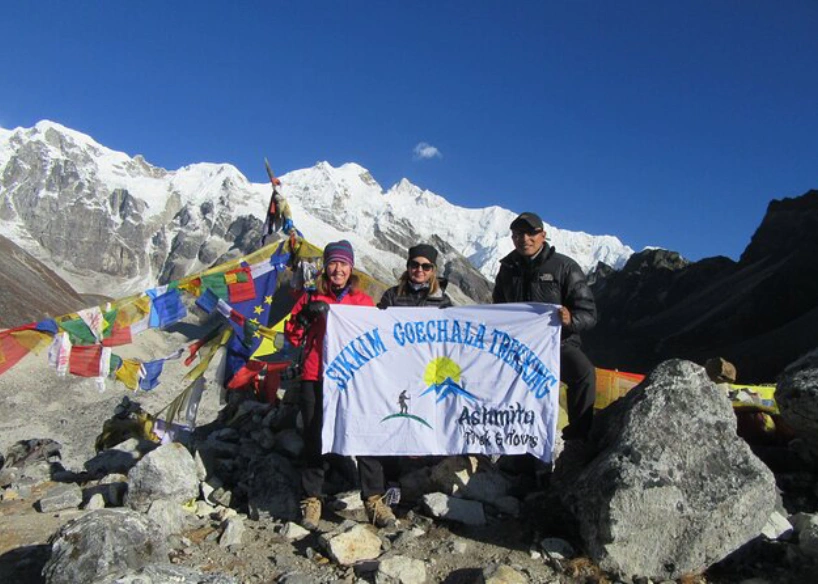
Difficulty: Difficult | Duration: 10–11 Days | Max Altitude: 4,940 m
The crown jewel of Sikkim trekking. Goecha La is the closest most trekkers will ever get to Kangchenjunga without a mountaineering permit, delivering a near-360-degree view of the massif from a windswept pass strung with prayer flags. The trail runs through Yuksom, Sachen, Tshoka, and the rhododendron-thick Dzongri ridge before the final push to the pass.
Insider tip: Push on to Goecha La itself rather than stopping at the popular Viewpoint I — the extra two hours reward you with an unobstructed, crowd-free panorama that most trek groups skip.
2. Dzongri–Goecha La Loop (Short Version)
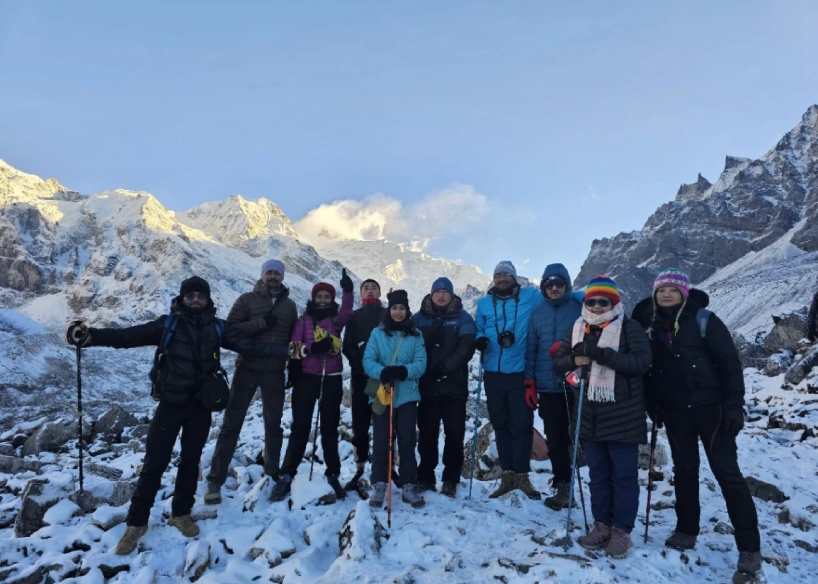
Difficulty: Moderate | Duration: 6 Days | Max Altitude: 4,200 m
A shortened, time-friendly version of the Goecha La trail that turns back at Dzongri Top instead of pushing to the pass. It is the route most recommended for first-time Himalayan trekkers — you still get sunrise views of Kangchenjunga, Pandim, and Narsing, but with far gentler acclimatisation demands.
Insider tip: Time your night at Dzongri for a full-moon week — the snow peaks lit by moonlight are genuinely one of the most underrated sights in the Indian Himalaya.
3. Singalila Ridge Trek
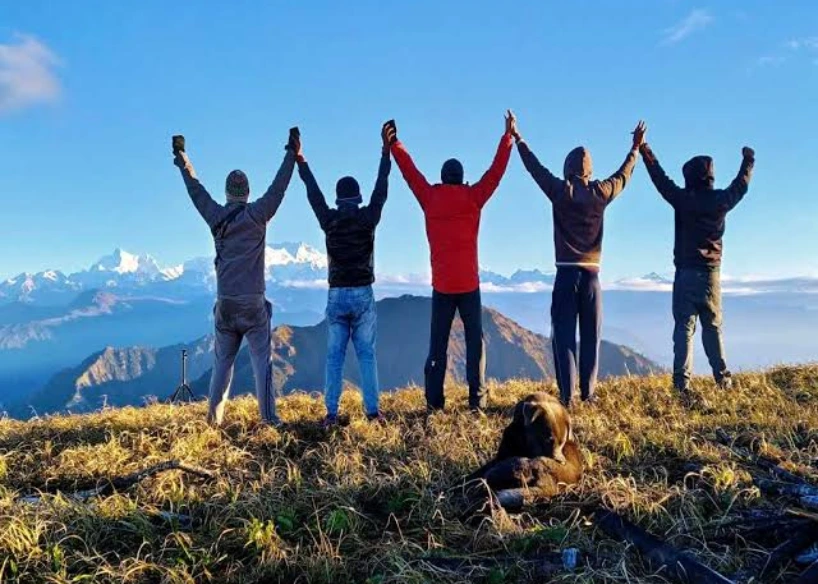
Difficulty: Easy–Moderate | Duration: 5 Days | Max Altitude: 3,636 m
Straddling the West Bengal–Sikkim border, this ridge-line trail is famous for one rare claim: on a clear day you can see four of the world’s five highest peaks — Everest, Kangchenjunga, Lhotse, and Makalu — from a single viewpoint near Sandakphu. The trail is gentler underfoot and works well for families with trekking experience.
Insider tip: October is the only month with a realistic chance of an unobstructed Everest sighting — book your slot well before the season fills up.
4. Green Lake Trek
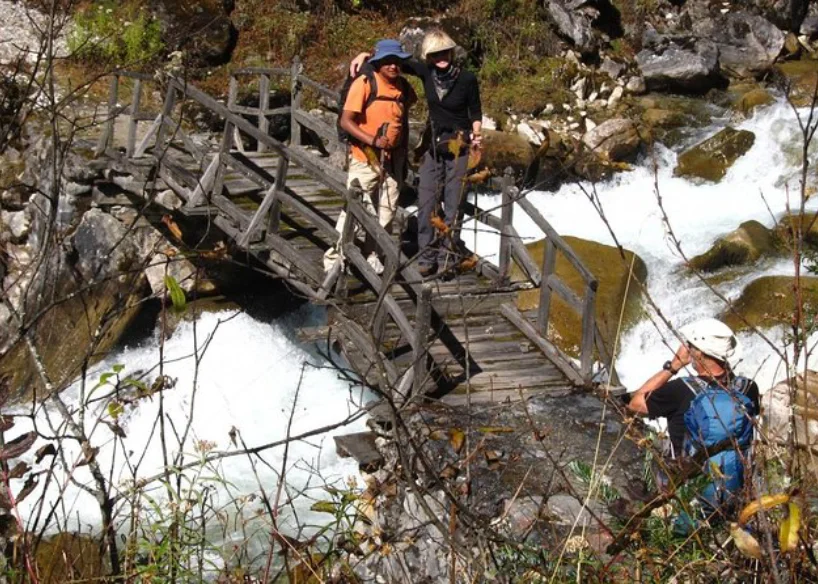
Difficulty: Very Difficult | Duration: 12–13 Days | Max Altitude: 5,000 m
Reserved for serious, well-acclimatised trekkers, this restricted-zone trail follows the Zemu Glacier — one of the largest in the Eastern Himalaya — straight to the base of
Kangchenjunga’s north face. Because it sits inside a Protected Area, group size, guide
requirements, and permit paperwork are all stricter than any other Sikkim trek.
Insider tip: Apply for the Protected Area Permit at least 25–30 days in advance through a registered Sikkim trekking agency — late applications are the single biggest reason trekkers get turned away.
5. Yuksom–Varsey Rhododendron Trek
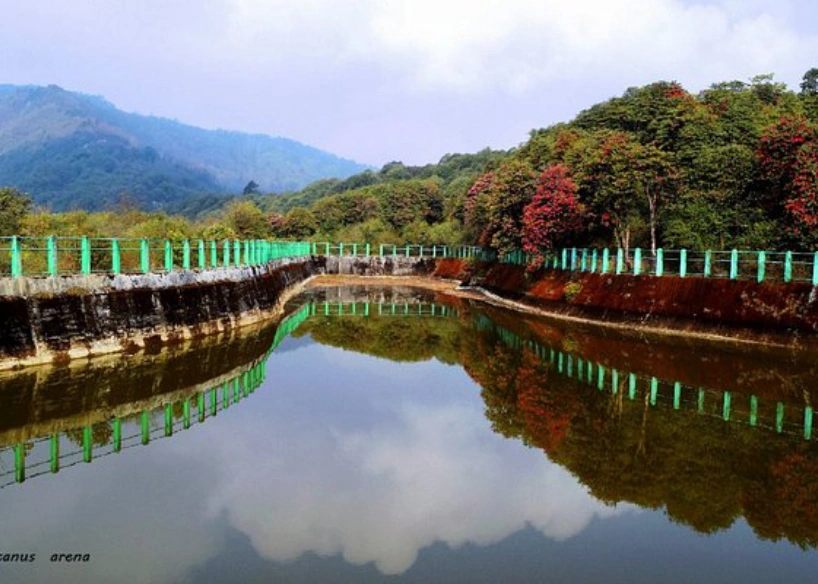
Difficulty: Easy | Duration: 3–4 Days | Max Altitude: 3,650 m
If you only have a long weekend, this is the trek to take. Varsey Rhododendron Sanctuary explodes into red, pink, and white blooms between April and early May, turning the forest floor into what trekkers consistently describe as a natural flower carpet. It is short, scenic, and ideal for beginners or families.
Insider tip: Arrive in the last week of April — a week too early or late and you will miss peak bloom by
days.
Trek Comparison Table — Pick the Right Route for You
Use this side-by-side comparison to match a trek to your fitness level, available time, and permit tolerance before you commit to a route.
| Trek | Difficulty | Duration | Max Altitude | Permit Needed | Best For |
|---|---|---|---|---|---|
| Goecha La | Difficult | 10–11 days | 4,940 m | ILP + TPC | Experienced trekkers |
| Dzongri Loop | Moderate | 6 days | 4,200 m | ILP + TPC | First-time Himalayan trekkers |
| Singalila Ridge | Easy–Moderate | 5 days | 3,636 m | ILP | Families, peak-baggers |
| Green Lake | Very Difficult | 12–13 days | 5,000 m | ILP + PAP | Serious mountaineers |
| Yuksom–Varsey | Easy | 3–4 days | 3,650 m | ILP | Weekend trekkers, beginners |
| Tholung Monastery | Moderate | 4 days | 3,200 m | ILP + RAP | Culture-focused travellers |
When Should You Actually Go?
Timing is the single biggest factor that separates a trek you will rave about from one you will
want to forget. Sikkim’s monsoon, which runs roughly from mid-June to mid-September, makes most high-altitude trails dangerously slippery and leech-infested, while winter closes the higher passes under snow. The chart below scores each month on trekking suitability based on trail conditions, visibility, and rainfall.
Best Time to Trek in Sikkim — Month-by-Month Suitability
Figure 2: Month-by-month trekking suitability — green months are peak season, orange is shoulder season, red should be avoided
Quick Verdict
• Best window: Late September to mid-November (clearest skies, post-monsoon
greenery)
• Second best: April to early June (rhododendron blooms, warmer days)
• Avoid: Mid-June to mid-September (monsoon — landslides, leeches, zero visibility)
Beyond Trekking: Adventure Activities Worth Building Your Trip Around
Sikkim’s appeal is not limited to multi-day treks. The state’s terrain — fast Himalayan rivers,
steep ridgelines, and high-altitude lakes — has quietly turned it into one of North East India’s
best adventure-sport destinations. Here are the activities worth carving time out for.
01
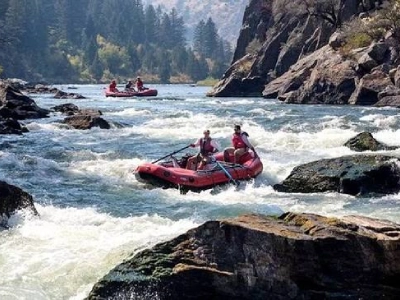
River Rafting on the Teesta
The Teesta River’s Grade III and IV rapids near Singtam and Melli are the most accessible white-water adventure in the region, with stretches suitable for both first-timers and experienced rafters.
02
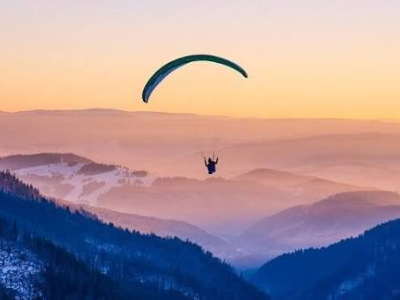
Paragliding over Gangtok
Tandem paragliding flights from Ban Jhakri Falls or the Gangtok ropeway area give a 10–15 minute aerial view over the Ranipool valley and surrounding hills — no prior experience needed.
03
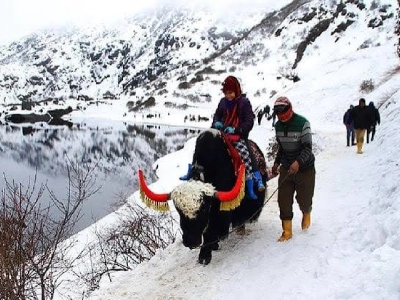
Yak Safari at Tsomgo Lake
A short but memorable ride on a decorated yak along the shores of the glacial Tsomgo (Changu) Lake at 3,753 metres, framed by prayer flags and snow ridges.
04
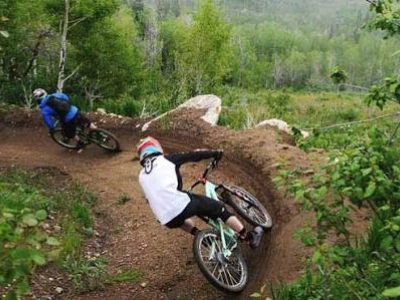
Mountain Biking through Pelling and Yuksom
Steep, winding mountain roads and forest single-track make Pelling–Yuksom one of the more
demanding but rewarding mountain biking circuits in the Eastern Himalaya.
05
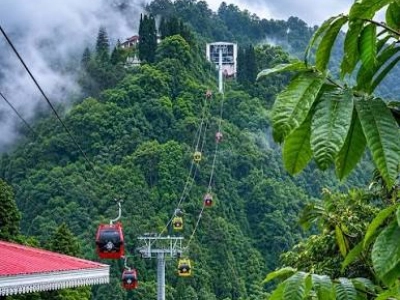
Zip-lining at Bhaleydhunga
Reportedly among the longest zip-lines in Asia, this ride near Pelling sends you flying over a forested valley at speeds that make it the highest-thrill activity on this list.
Permits You Cannot Skip
Permit Cheat Sheet
• Inner Line Permit (ILP): Mandatory for every non-Sikkimese visitor entering the state
Free, issued instantly at Rangpo, Melli, or Gangtok, or online in advance.
• Protected Area Permit (PAP): Required for North Sikkim and high-altitude border
adjacent treks like Green Lake. Needs a minimum group size and a registered agency.
• Restricted Area Permit (RAP): Specific to Dzongu and a few other indigenous-protected zones. Apply through a Gangtok-based operator at least 2–3 weeks ahead.
• Trekking Permit / TPC: Issued by the Sikkim Forest Department for treks inside
Khangchendzonga National Park, including Goecha La and Dzongri.
What to Pack — The Checklist Most Blogs Get Wrong
Sikkim’s weather swings hard between sun, fog, and sudden cold within a single afternoon, especially above 3,500 metres. This checklist focuses on the items trekkers most commonly forget rather than generic packing advice.
- Layered clothing: a moisture-wicking base layer, fleece mid-layer, and a windproof/waterproof outer shell
- Broken-in trekking boots with ankle support — never wear new boots on the trail
- A 4-season sleeping bag rated to at least -10°C for high-altitude treks like Goecha La or Green Lake
- Trekking poles — genuinely reduce knee strain on the steep Dzongri and Phedang descents
- Water purification tablets or a filter bottle, since refilling from streams is common
- A headlamp with spare batteries for early sunrise starts to viewpoints
- Diamox (acetazolamide) after consulting a doctor, for altitude sickness prevention above 3,500 m
- Cash in small denominations — most teahouses and homestays beyond Yuksom do not accept cards
Pro Tips Most Travel Blogs Leave Out
- Local Secret : Hire guides directly through the Yuksom Tourist Information Centre rather than pre-booking from a city agency — local guides often know which teahouses have hot water that day, which matters more than it sounds at 4,000 metres.
- Money-Saving Hack: Group trek permits are priced per group, not per person — joining or forming a group of 6+ trekkers through Yuksom-based operators can cut individual permit and guide costs by close to 40%.
- Safety First : Altitude sickness, not terrain, is the leading cause of trek abandonment in Sikkim. Build at least one full acclimatisation day into any itinerary that crosses 3,500 metres — Dzongri is the standard stop for this on the Goecha La route.
- Photography Tip : : Shoot Kangchenjunga in the first 40 minutes after sunrise. Cloud cover typically rolls in by mid morning from May onward, so the golden window at Dzongri Top or Goecha La closes fast.
Final Words — Why Sikkim Will Change How You See Love
Sikkim rewards travellers who plan around its permits and seasons rather than against them.
Pick a trek that matches your fitness and time, lock in your Inner Line Permit early, and build
your trip around the September-to-November or April-to-June windows for the clearest views of Kangchenjunga. Whether it is the disciplined climb to Goecha La or a single adrenaline-soaked afternoon zip-lining over Bhaleydhunga, Sikkim’s mountains are still some of the most rewarding — and least crowded — in the entire Himalaya.
Ready to plan your Sikkim adventure? Save this guide, share it with your trekking group, and start with the trek that matches your fitness level above.
FAQs
A: Not for routes like Yuksom–Varsey or Singalila Ridge, which are beginner-friendly. Goecha La and Green Lake, however, demand prior high-altitude experience and a solid fitness baseline.
A: No. Sikkim mandates registered guides and, for most routes, a minimum group size — this is strictly enforced inside Khangchendzonga National Park and all Protected/Restricted Areas.
A: Yes, when done through registered agencies and within group treks. Solo unguided trekking is
not legally permitted in restricted zones, which inadvertently makes the regulated group system
safer overall.
A: The Dzongri–Goecha La short loop (6 days) is widely recommended — enough altitude and scenery to feel like a real Himalayan trek, without the extreme demands of the full Goecha La route.
A: Budget treks like Yuksom–Varsey run roughly ₹6,000–9,000 per person including permits and guides, while longer treks like Goecha La typically cost ₹18,000–28,000 depending on group size and season.


Comment (0)